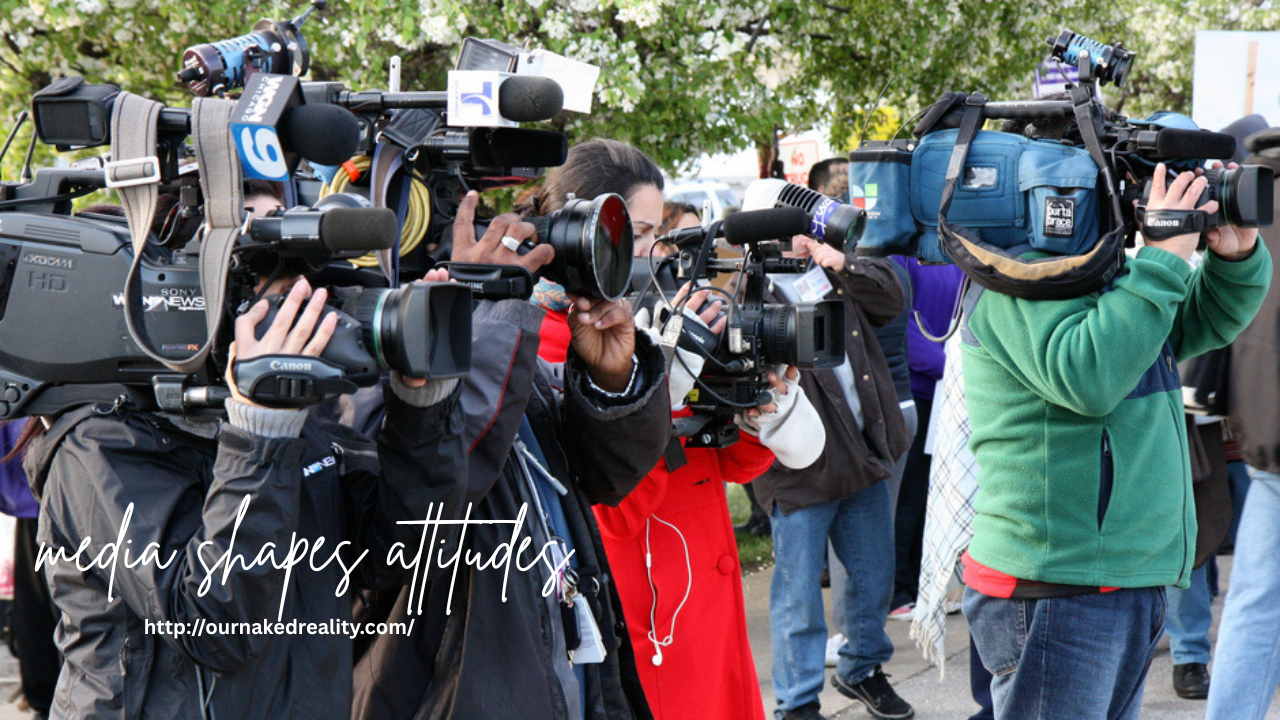
The Sex Factor: Media’s Role in Shaping Cultural Attitudes Toward Intimacy

From steamy movie scenes to provocative music videos and suggestive social media posts, modern media plays a powerful role in shaping how society views sex and intimacy. Over the past several decades, the portrayal of sex in media has evolved dramatically—from taboo and censored content to explicit, mainstream storytelling. These portrayals not only reflect changing cultural values but actively influence them, molding how people understand, experience, and engage with intimate relationships.

Sex as Spectacle

One of the most prominent ways media shapes attitudes toward sex is by turning it into a spectacle. Whether in Hollywood blockbusters, reality TV, or pop music, sex is often portrayed as glamorous, thrilling, and effortless. These representations tend to focus on physical attraction and passionate encounters, frequently sidelining emotional intimacy, communication, or the complexities of real-life sexual relationships.

This glamorization can set unrealistic expectations for viewers, particularly young audiences who may be learning about sex through media rather than from comprehensive education or healthy conversations. When sex is consistently shown as spontaneous, perfect, and devoid of awkwardness or consequences, it creates skewed ideas about what intimacy should look like.

Reinforcing Stereotypes and Norms

Media doesn’t just inform what sex looks like—it also communicates who is allowed to be sexual. For decades, popular culture has primarily depicted sex through a narrow lens: young, attractive, heterosexual, and able-bodied individuals. This limited representation marginalizes people of different body types, sexual orientations, ages, and abilities, reinforcing the idea that only certain kinds of people are “desirable.”

Women, in particular, are often objectified in media, presented primarily through the lens of male desire. Music videos, advertisements, and films frequently sexualize women’s bodies while minimizing their agency or complexity. Meanwhile, men are often portrayed as sexually aggressive or emotionally detached, reinforcing toxic notions of masculinity. These portrayals shape cultural norms and reinforce gender-based expectations that can be harmful and limiting.

Normalizing Conversation or Distorting Reality?

In some ways, media has helped destigmatize sex. Television shows like Sex Education, Euphoria, and Masters of Sex have opened up space for honest conversations about sexual identity, consent, dysfunction, and pleasure. These programs challenge taboos and promote a more inclusive, nuanced understanding of intimacy.

However, there’s a fine line between normalization and distortion. Even as media becomes more open, it can still promote distorted ideals—such as the notion that sexual performance equates to self-worth, or that constant sexual availability is a marker of modern empowerment. These mixed messages can contribute to anxiety, performance pressure, and confusion about what healthy intimacy looks like.

Conclusion

The media plays a complex and influential role in shaping cultural attitudes toward sex and intimacy. While it has the power to break taboos, foster inclusivity, and encourage open dialogue, it can also perpetuate harmful stereotypes and unrealistic expectations. As consumers of media, it’s important to approach sexual content critically—recognizing both its power to inform and its tendency to oversimplify or sensationalize. In doing so, we can begin to cultivate a healthier, more informed understanding of intimacy in the modern world.

Swipe Right for Love: How Dating Apps Have Redefined Courtship

In the age of smartphones and instant connectivity, dating has undergone a radical transformation. Traditional courtship, once marked by slow emotional buildup, face-to-face encounters, and social introductions, has given way to swipes, likes, and algorithm-based matches. Dating apps like Tinder, Bumble, Hinge, and Grindr have redefined not only how people meet, but how they think about love, attraction, and compatibility.

The Rise of Digital Romance

The launch of Tinder in 2012 revolutionized online dating by gamifying the process—swipe right if you’re interested, left if you’re not. This simple mechanic brought dating into the mainstream for younger generations. Apps became more than a means of finding a partner; they evolved into social platforms for flirting, chatting, and validating one’s attractiveness.

Unlike traditional dating methods that relied heavily on mutual connections or chance encounters, dating apps offer an endless pool of potential partners. With a few swipes, users can connect with someone miles away or just around the corner. This accessibility has expanded the possibilities for who we meet and how we fall in love.

Changing the Rules of Courtship

Dating apps have turned courtship into a fast-paced, user-driven experience. Instead of gradually getting to know someone in person, users often base their decisions on a few photos and a short bio. First impressions are instantaneous and primarily visual. This shift places a high emphasis on physical appearance, which can sometimes overshadow deeper compatibility.

Moreover, traditional markers of romantic progress—like asking someone out in person or building rapport over time—are now often replaced with casual texting, emojis, and ghosting. The immediacy of app-based communication can blur the lines between genuine interest and superficial interaction, leading many users to experience dating fatigue, confusion, or frustration.

Redefining Compatibility

While dating apps are often criticized for promoting shallow connections, they also offer tools to foster compatibility. Apps like Hinge and OkCupid use questionnaires, prompts, and algorithms to help users find matches based on shared interests, values, or goals. This has made it easier for people with niche preferences or lifestyles—such as veganism, religion, or political beliefs—to connect with like-minded partners.

Additionally, apps have helped increase inclusivity in the dating world. Platforms now cater to LGBTQ+ communities, people with disabilities, and various cultural or religious groups. This has opened doors for more people to find love in spaces that are affirming and tailored to their needs.

The Double-Edged Sword

Despite their convenience, dating apps also pose challenges. The abundance of choice can lead to the “paradox of choice”—where having too many options makes it harder to settle on one person. Some users develop a habit of constantly searching for someone “better,” which can undermine emotional investment and long-term commitment.

Moreover, anonymity and distance on apps can lead to dishonest behavior, catfishing, or harassment. Users must often navigate safety concerns and emotional risks, which were less prominent in traditional dating scenarios.

Conclusion

Dating apps have undeniably redefined courtship for the modern era. They offer unprecedented access to potential partners and flexibility in how we pursue romance. But they also challenge traditional notions of connection, intimacy, and authenticity. As society continues to adapt to digital dating, the key will be balancing convenience with emotional depth—ensuring that love, even in a digital world, remains meaningful and real.

Toxic Love? How Romantic Comedies Reinforce Unhealthy Relationship Norms

Romantic comedies, or “rom-coms,” have long been beloved for their heartwarming plots, quirky characters, and feel-good endings. However, beneath the laughter and charm, these films often promote unhealthy relationship norms that can distort real-world expectations about love. From glorifying jealousy to normalizing emotional manipulation, rom-coms sometimes send troubling messages about what constitutes a healthy relationship.

The Myth of “The One”

One recurring theme in romantic comedies is the idea of “The One” — a perfect soulmate who completes the main character’s life. Films like Serendipity and Sleepless in Seattle suggest that destiny will bring true love, no matter how unrealistic the circumstances. While romantic, this notion can be harmful. It may cause people to overlook red flags in the pursuit of a “perfect” partner or to abandon relationships that require work and compromise, expecting love to always feel effortless and magical.

In reality, healthy relationships are built through communication, mutual respect, and effort—not just serendipitous encounters and grand gestures. The idea that love should happen easily or be “meant to be” can leave people feeling disillusioned when real relationships face inevitable challenges.

Stalking and Persistence as Romance

Many rom-coms portray obsessive behavior as endearing or romantic. In Say Anything, Lloyd Dobler’s relentless pursuit of Diane is depicted as charming, while in Love Actually, Mark’s silent confession to his best friend’s wife is framed as touching rather than inappropriate. In these stories, persistence is often rewarded, regardless of personal boundaries or consent.

This romanticization of persistence can send a dangerous message: that ignoring someone’s rejection or crossing boundaries is acceptable if it’s done in the name of love. In reality, respecting a person’s wishes and boundaries is fundamental to any healthy relationship.

Jealousy and Possessiveness as Signs of Love

Rom-coms frequently present jealousy and possessiveness as natural parts of love. Characters often compete for affection or express outrage when their love interest dates someone else, reinforcing the idea that jealousy is an indicator of deep passion.

However, in healthy relationships, trust is key. Excessive jealousy and possessiveness can lead to controlling behavior, emotional abuse, and a breakdown of trust. When audiences internalize the message that jealousy equals love, it can lead to tolerating toxic dynamics that are damaging rather than romantic.

Changing Yourself for Love

Another troubling trope is the idea that people must change themselves to earn love. Movies like Grease show characters undergoing major transformations to fit their partner’s ideal. Sandy’s shift from wholesome girl-next-door to rebellious bad girl suggests that altering one’s identity is necessary for romantic success.

This theme undermines the importance of authenticity in relationships. Real love should be based on acceptance and appreciation of a partner’s true self—not the version they present to meet someone else’s expectations.

Conclusion

While romantic comedies offer entertainment and escapism, they also reinforce unhealthy relationship norms that can affect how viewers understand love and partnership. By idealizing persistence over consent, jealousy over trust, and change over authenticity, rom-coms sometimes promote toxic ideas under the guise of romance. As audiences become more aware of these patterns, there’s growing demand for love stories that celebrate healthy, respectful, and authentic relationships—without sacrificing the magic and humor that make rom-coms so beloved.

The Cinematic Gaze: How Hollywood Defines Beauty, Passion, and Desire

Hollywood has long held the power to shape cultural ideals, especially when it comes to beauty, passion, and desire. Through the lens of the camera—often referred to as “the cinematic gaze”—films construct images of love and attraction that both reflect and influence societal norms. From silver-screen sirens of the past to today’s blockbuster romances, Hollywood continues to mold how we perceive what is beautiful, desirable, and worth loving.

The Power of the Gaze

The term “cinematic gaze,” particularly the “male gaze,” was popularized by film theorist Laura Mulvey in the 1970s. It refers to the way visual media often portrays women from a heterosexual male perspective—positioning them as objects of desire rather than as complex individuals. This gaze dictates not just how women are shown on screen, but how audiences are encouraged to view beauty and attraction.

In classic Hollywood films, actresses like Marilyn Monroe, Ava Gardner, and Rita Hayworth were styled to represent a narrow and often sexualized version of femininity. Their looks, body language, and wardrobe were carefully crafted to satisfy viewer fantasies. Men, on the other hand, were often portrayed as powerful, emotionally restrained, and in control—fueling a very specific dynamic of romance and desire.

Defining Beauty Through Film

Hollywood has long presented a narrow standard of beauty—typically white, thin, able-bodied, and conventionally attractive. This standard has been so pervasive that it shaped public perception across generations. Actresses and actors who fit this mold were more likely to be cast in leading romantic roles, reinforcing the idea that only certain types of people are worthy of love and desire.

As a result, audiences have internalized these beauty ideals, often measuring themselves against the polished, idealized images they see on screen. This has contributed to widespread issues of body image dissatisfaction, particularly among young viewers. While modern cinema has made some progress with more diverse casting, the mainstream romantic narrative still often prioritizes traditional standards of beauty.

Portrayal of Passion and Romance

Hollywood also plays a significant role in defining how passion should look and feel. Romantic films typically highlight intense, all-consuming love stories—marked by fiery chemistry, dramatic conflicts, and sweeping gestures. This can create unrealistic expectations about relationships, making viewers believe that true love must always be passionate and dramatic to be meaningful.

Films like Titanic, The Notebook, and Fifty Shades of Grey have all contributed to the glamorization of romantic obsession and emotional volatility. While these portrayals are cinematic and emotionally gripping, they don’t often reflect the stability, compromise, and communication that healthy relationships require in real life.

Shifting the Lens

In recent years, there’s been a slow but growing shift in Hollywood. Films and series like Moonlight, To All the Boys I’ve Loved Before, and Past Lives have begun to offer more nuanced, inclusive portrayals of love, beauty, and desire. These stories present romance through a broader lens—one that embraces different body types, cultures, sexualities, and emotional experiences.

Conclusion

Hollywood’s cinematic gaze has long shaped how we see beauty, passion, and desire. While its portrayals can be powerful and emotionally compelling, they often promote narrow and unrealistic ideals. As audiences become more aware of these influences, the demand for diverse, authentic, and emotionally rich stories continues to grow—challenging the traditional gaze and expanding what it means to love and be loved on screen.

Love and Lies: The Role of Reality TV in Shaping Romantic Fantasies

Reality television has long been a guilty pleasure for audiences worldwide, but its influence extends far beyond entertainment. Shows like The Bachelor, Love Island, and Too Hot to Handle have redefined modern romance, shaping how people perceive love, relationships, and courtship. While these shows present grand gestures, passionate connections, and fairytale endings, they also distort reality, creating unrealistic expectations about romance.

The Allure of Reality TV Romance

Reality dating shows thrive on the fantasy of finding love in a glamorous, high-stakes environment. Contestants live in luxury mansions, go on extravagant dates, and experience whirlwind romances—all under the gaze of millions of viewers. These shows create the illusion that love is an instant, dramatic, and highly competitive process, where passion and chemistry trump everyday compatibility.

Audiences are drawn to the drama, the emotional highs and lows, and the seemingly effortless romantic connections that unfold on screen. For many, reality TV provides an escape, allowing them to vicariously experience passionate relationships filled with romantic gestures they may not encounter in their own lives.

Unrealistic Expectations of Love and Dating

One of the biggest criticisms of reality TV romance is its failure to reflect real-world relationships. Many of these shows condense love into a few weeks, creating the false notion that deep connections can be formed quickly and without much effort. In reality, successful relationships require time, communication, and compromise—factors often overlooked in the fast-paced world of reality dating.

Additionally, reality TV often promotes an idealized version of romance, where grand gestures—such as helicopter rides, candlelit dinners, and exotic vacations—are seen as proof of love. While these moments are visually stunning, they set unrealistic standards for how love should be expressed. In everyday life, love is often shown through small, consistent actions rather than grand, Instagram-worthy gestures.

The Role of Drama and Manipulation

To keep audiences engaged, reality dating shows frequently introduce drama, love triangles, and emotional conflicts. Producers often manipulate storylines, editing footage to enhance rivalries, betrayals, and heartbreaks. While this makes for compelling television, it distorts the true nature of relationships, making love seem more like a game than a genuine emotional connection.

Contestants are encouraged to compete for affection, reinforcing the idea that love is something to be won rather than nurtured. This can lead to toxic portrayals of relationships, where jealousy, manipulation, and emotional games are normalized as part of the dating process.

The Impact on Viewers

For many viewers, reality TV influences their own expectations of love and dating. Studies suggest that frequent viewers of dating shows may develop skewed perceptions of romance, believing that love should be instant, dramatic, and filled with constant excitement. This can lead to dissatisfaction in real relationships, where the everyday challenges of love—such as communication, compromise, and emotional vulnerability—do not match the high-stakes drama seen on screen.

Moreover, reality TV often promotes unattainable beauty standards, with contestants typically fitting a narrow mold of attractiveness. This can impact viewers’ self-esteem and shape their perceptions of desirability and self-worth.

Conclusion

Reality TV has undoubtedly influenced modern romantic fantasies, presenting love as a thrilling, high-stakes adventure filled with drama and passion. While these shows offer entertainment and escapism, they also create unrealistic expectations about relationships. As viewers, it’s important to separate fiction from reality and recognize that true love is built not on spectacle, but on trust, effort, and authenticity.

Selling Desire: The Commercialization of Sex and Love in Advertising

Sex and love have long been powerful tools in advertising, shaping consumer behavior and influencing cultural perceptions of desire, romance, and relationships. From perfume commercials dripping with sensuality to Valentine’s Day campaigns urging consumers to express love through expensive gifts, advertisers have mastered the art of selling desire. But while this strategy is highly effective, it also raises questions about its impact on societal expectations, gender roles, and self-image.

The Rise of Sex in Advertising

The phrase “sex sells” has been a guiding principle in marketing for decades. As early as the 20th century, advertisers realized that using attractive models, suggestive imagery, and romantic narratives could grab attention and drive sales. Brands in industries such as fashion, beauty, alcohol, and automobiles have heavily relied on sexual appeal to market their products.

One of the most famous early examples is the 1950s Marlboro Man campaign, which, while not explicitly sexual, used rugged masculinity to sell cigarettes. Later, brands like Calvin Klein took it further, using provocative imagery in their underwear ads to sell not just a product, but an idealized version of sex appeal and desirability.

In modern times, companies like Victoria’s Secret, Axe, and Dolce & Gabbana continue to use erotic and romantic themes to market their products. Advertisements are designed not just to promote an item but to create an emotional connection—suggesting that purchasing a particular brand will make consumers more attractive, confident, or desirable.

Love as a Marketing Strategy

Beyond sex, the concept of love has also been commodified to drive consumer spending. Holidays like Valentine’s Day, anniversaries, and weddings are massive commercial events, with industries built around them. Jewelry brands like Tiffany & Co. and De Beers have spent decades convincing consumers that diamonds are a symbol of eternal love, leading to the now widely accepted notion that engagement rings must be expensive.

Similarly, greeting card companies, florists, and chocolate manufacturers thrive on the idea that love must be expressed through material gifts. Advertisers push the message that true affection requires extravagant gestures, reinforcing the belief that spending money is equivalent to demonstrating love.

Even digital spaces have commercialized love. Dating apps like Tinder, Bumble, and Match.com operate on the premise that love can be found through a paid subscription, monetizing the very act of searching for romance.

The Impact on Society

While advertising’s use of sex and love is effective, it also has profound consequences on societal attitudes. Unrealistic portrayals of beauty, romance, and relationships create unattainable expectations. Consumers are often made to feel that they must conform to certain ideals—whether it’s having a “perfect” body, a fairy-tale romance, or a lavish lifestyle—to be desirable or loved.

Moreover, the overuse of sexual imagery has sparked debates about gender representation, objectification, and the reinforcement of harmful stereotypes. Women, in particular, are frequently depicted as objects of desire, leading to concerns about body image issues and unrealistic beauty standards.

Conclusion

The commercialization of sex and love in advertising is a double-edged sword. While it effectively captures consumer interest and drives sales, it also shapes societal values in ways that can be unrealistic and even damaging. As media literacy grows, consumers are becoming more aware of these tactics, demanding more authentic and diverse representations of love and desire. The future of advertising may still sell passion, but perhaps with a greater sense of responsibility.

From Fairy Tales to Netflix: The Evolution of Romance in Popular Media

Romance has been a central theme in storytelling for centuries, evolving from traditional fairy tales to modern streaming-era love stories. Popular media has shaped our understanding of love, courtship, and relationships, influencing how we view romance in real life. Over time, the portrayal of love has shifted dramatically, reflecting societal changes and evolving cultural expectations.

Fairy Tales and Classic Romance

The earliest representations of romance in media can be traced back to fairy tales and classic literature. Stories like Cinderella, Snow White, and Sleeping Beauty portrayed love as magical, idealistic, and often instantaneous. These tales emphasized themes of destiny, true love, and happily-ever-afters, reinforcing the belief that love was something that happened at first sight and always led to eternal happiness.

During the 19th and early 20th centuries, romantic literature continued to shape societal views on love. Novels like Pride and Prejudice by Jane Austen and Wuthering Heights by Emily Brontë introduced more complex and emotional portrayals of romance, incorporating themes of personal growth, class struggles, and deep passion. Despite these complexities, love was still often depicted as the ultimate goal in life, particularly for women.

Hollywood’s Golden Age: Love on the Big Screen

The rise of Hollywood in the early 20th century brought romance to the big screen, reinforcing traditional love narratives. Classic films like Gone with the Wind (1939), Casablanca (1942), and Roman Holiday (1953) showcased grand, sweeping love stories with dramatic conflicts and passionate reunions.

In the 1950s and 1960s, romance films often reflected societal norms, portraying men as strong providers and women as delicate, devoted partners. Love was still seen as an essential milestone, often leading to marriage and family. However, by the 1970s and 1980s, romance films began to break away from these rigid structures. Movies like When Harry Met Sally (1989) explored the idea of friendship evolving into love, while Pretty Woman (1990) challenged traditional notions of romance and class.

Romance in the Age of Television and the Romantic Comedy Boom

With the rise of television, romance became more serialized, allowing for deeper character development and more nuanced relationship dynamics. Soap operas and sitcoms, such as Friends and Sex and the City, introduced long-term romantic arcs, showcasing the highs and lows of love in a more realistic way.

The 1990s and early 2000s saw a boom in romantic comedies, with films like 10 Things I Hate About You (1999), Love Actually (2003), and The Notebook (2004) presenting love as both humorous and deeply emotional. While these films still idealized romance, they also began to reflect modern dating challenges, such as heartbreak, self-discovery, and personal growth.

Streaming Era: Love in the Digital Age

Today, platforms like Netflix, Hulu, and HBO Max have transformed romantic storytelling. Unlike traditional films, streaming services allow for diverse and unconventional love stories. Shows like Bridgerton, Emily in Paris, and You explore romance with fresh perspectives, tackling issues like gender roles, toxic relationships, and the influence of social media on dating.

Moreover, modern romance films and series are more inclusive, featuring LGBTQ+ love stories (Heartstopper), interracial relationships, and narratives that challenge outdated stereotypes. Love is no longer portrayed as a one-size-fits-all concept but as a deeply personal and evolving experience.

Conclusion

The portrayal of romance in popular media has come a long way from fairy tale fantasies to the diverse and complex love stories seen on streaming platforms today. While media continues to shape our expectations of romance, it also reflects the changing nature of love in real life. As society evolves, so too will the way we tell and experience love stories on screen.

Love in the Digital Age: How Social Media Shapes Modern Romance

In the digital age, love and romance have transformed significantly, with social media playing a central role in how people meet, connect, and maintain relationships. Platforms like Instagram, Facebook, Twitter, and TikTok have redefined courtship, intimacy, and even breakups. While these digital tools offer exciting new ways to express affection, they also introduce challenges that complicate modern romance.

The Rise of Digital Courtship

Before social media, dating typically involved face-to-face interactions, phone calls, and handwritten letters. Today, a single “like” or comment on a post can be the first step toward a romantic connection. Flirting has shifted to direct messages (DMs), memes, and Instagram story replies, replacing traditional romantic gestures. Dating apps like Tinder, Bumble, and Hinge have further normalized online courtship, making it easier to meet potential partners across the globe.

Social media allows people to craft and curate their online personas, often showcasing the most attractive aspects of their lives. This can make dating more competitive, as individuals feel pressured to present a polished version of themselves rather than their authentic selves. While this increases the chances of initial attraction, it also raises concerns about authenticity and emotional depth in relationships.

The “Highlight Reel” Effect

One of the biggest ways social media shapes modern romance is through the “highlight reel” effect. Couples often post their happiest moments—romantic vacations, anniversary celebrations, and affectionate selfies—while leaving out conflicts, insecurities, and struggles. This can create unrealistic expectations for relationships, making it seem as if love should always be perfect and effortless.

For individuals in relationships, constant exposure to idealized love stories online can lead to dissatisfaction with their own romantic lives. Seeing friends or influencers flaunting their relationships might cause unnecessary comparisons, leading to jealousy, insecurity, or feelings of inadequacy. This phenomenon, often referred to as “relationship FOMO” (fear of missing out), can strain even the healthiest partnerships.

Communication in the Digital Age

Social media has changed the way couples communicate. While texting and video calls make long-distance relationships more manageable, constant connectivity can sometimes do more harm than good. Instant messaging encourages quick, impulsive conversations, which can lead to misunderstandings. Additionally, expectations for immediate replies can create anxiety, making partners feel ignored or undervalued when messages go unanswered.

Moreover, social media has blurred the lines between public and private life. Relationship status updates, tagging in posts, and sharing intimate moments online have become common, but they can also invite unwanted opinions and interference from others. Some couples struggle with disagreements over social media boundaries—such as whether to post about the relationship, engage with ex-partners, or share personal details online.

The Impact of Social Media on Breakups

Ending a relationship in the digital age can be particularly challenging. Unlike in the past, where couples could part ways and move on, social media makes it nearly impossible to completely disconnect. Seeing an ex’s posts, relationship updates, or even subtle hints about their new life can prolong emotional recovery. Many people resort to blocking or “ghosting” their exes to create necessary distance.

Conclusion

Love in the digital age is complex, dynamic, and constantly evolving. While social media has made finding and maintaining relationships easier, it has also introduced new challenges that require careful navigation. Whether enhancing intimacy or causing tension, social media’s impact on modern romance is undeniable. The key to a healthy digital relationship is balance—using social media as a tool for connection rather than a source of insecurity.

Romantic Ideals in Film and TV: The Evolution of Love Stories in the Media

Romantic love has long been a central theme in film and television, providing audiences with narratives that explore connection, passion, and the complexities of human relationships. From the grand gestures and idealized depictions of love in classic films to the more realistic, sometimes messy portrayals in contemporary television, the evolution of love stories in the media reflects changes in societal values, gender roles, and relationship expectations.

The Golden Age of Romance: Idealized Love Stories

In the early days of Hollywood, films portrayed romantic love in a highly idealized, almost mythical manner. Classic films like Casablanca (1942), Gone with the Wind (1939), and Roman Holiday (1953) presented love as an all-consuming, often tragic force that transcended time and obstacles. These films reflected societal values of the time, where traditional gender roles prevailed, and love was seen as a noble pursuit that required sacrifice, loyalty, and devotion.

Women were typically depicted as passive objects of desire, while men played the role of heroic, assertive pursuers. In Casablanca, for example, Ingrid Bergman’s Ilsa is torn between her love for Humphrey Bogart’s Rick and her duty to her husband, while Rick himself is the quintessential romantic hero, sacrificing his personal happiness for the greater good. These films presented a very clear idea of love—fated, dramatic, and all-encompassing.

The Rise of Romantic Comedies: Love with a Twist

By the 1980s and 1990s, the genre of romantic comedy began to dominate both film and television, offering a more playful, lighthearted take on love. Films like When Harry Met Sally (1989), Notting Hill (1999), and Pretty Woman (1990) transformed the notion of romantic love from something tragic and unattainable to a more relatable, if still idealized, goal. These films often followed a familiar formula—two characters meet under humorous or awkward circumstances, experience some conflict, and eventually find their way to a happy ending.

In contrast to the passive women of earlier films, these romantic comedies often depicted women as assertive and independent, challenging the traditional dynamics of romantic relationships. However, the genre still clung to the idea of “the one”—a perfect soulmate who could solve all personal and emotional conflicts. Characters were often defined by their romantic relationships, reinforcing the notion that love was not only desirable but necessary for personal fulfillment.

Modern Romance: Realistic Depictions and Complex Relationships

In more recent years, television and film have begun to offer more nuanced, realistic portrayals of romantic love. Shows like Fleabag (2016), Master of None (2015), and Normal People (2020) reflect the complexities and messiness of modern relationships, showing that love is not always straightforward or easy. These works explore themes like commitment, infidelity, mental health, and the struggle to find true connection in an increasingly disconnected world.

In these narratives, characters are often portrayed as flawed and imperfect, and love is not presented as a perfect solution to their problems. For instance, Fleabag explores the protagonist’s turbulent romantic life, her struggle with grief, and her search for meaning, all while questioning the societal pressure to find romantic fulfillment. Similarly, Normal People delves into the evolving relationship between two young people, showing how love can be complicated by personal insecurities and external pressures.

These modern portrayals reflect a shift away from idealized notions of love to a more grounded, authentic representation of romantic relationships. Rather than depicting love as an easy, fairy-tale experience, these shows and films portray it as a messy, imperfect journey of personal growth, vulnerability, and acceptance.

The Influence of Streaming and Social Media

With the rise of streaming services like Netflix, Hulu, and Disney+, as well as the prevalence of social media, romantic ideals in film and television have continued to evolve. Streaming platforms have enabled the production of more diverse and inclusive love stories, incorporating a wider range of identities, experiences, and perspectives. Shows like Pose (2018) and Queer Eye (2018) reflect the growing emphasis on representation and inclusivity in media, offering fresh and varied portrayals of love across different cultures, sexual orientations, and gender identities.

Social media also plays a significant role in shaping romantic ideals, as platforms like Instagram and TikTok promote a curated version of romance. Influencers and celebrities often share glimpses of their relationships online, setting standards for “perfect” love that can create unrealistic expectations for their followers.

Conclusion

The evolution of romantic ideals in film and TV reveals a shift from idealized, formulaic portrayals of love to more realistic and complex representations of relationships. As society’s values have evolved, so too have the stories we tell about love. While romantic love continues to be a central theme in media, modern portrayals emphasize the importance of personal growth, communication, and authenticity, reflecting the multifaceted nature of real-world relationships. As the media continues to shape our understanding of love, these evolving narratives offer a more inclusive, relatable, and honest portrayal of what it means to love and be loved.

Sex and Love in Popular Culture: How Media Shapes Perceptions of Intimacy

Popular culture plays a significant role in shaping society’s views on sex and love. From romantic comedies to music videos, novels to reality television, media often serves as a mirror and a magnifier of societal values. While it reflects existing norms, it also heavily influences how individuals perceive intimacy, relationships, and sexual behavior, often setting expectations that may be idealized or unrealistic.

The Romantic Ideal in Media

For decades, romantic love has been portrayed as the pinnacle of human experience. Films, television, and novels often depict love as transformative, perfect, and destined. Stories like The Notebook, Pride and Prejudice, and Titanic romanticize the idea of “true love,” presenting it as an all-consuming force that overcomes every obstacle. While these narratives are emotionally compelling, they can create unrealistic expectations about relationships.

The media’s focus on grand gestures, serendipitous meetings, and “happily ever after” endings can overshadow the realities of maintaining a healthy relationship, such as communication, compromise, and conflict resolution. As a result, many individuals may feel disappointed or inadequate when their relationships don’t mirror these idealized versions.

Sexualization in Popular Culture

Sexuality, once a taboo subject in mainstream media, is now prominently displayed across various platforms. From provocative music videos to explicit TV shows like Euphoria or Game of Thrones, sex has become a significant element of storytelling. While this increased visibility has helped normalize conversations about sex and promote sexual freedom, it has also contributed to the hypersexualization of individuals, particularly women.

Music videos and advertisements often equate desirability with physical appearance and sexual appeal, perpetuating narrow beauty standards. Songs and lyrics frequently glorify casual sex or depict sexual conquests as markers of success and power, especially for men. This can influence societal attitudes, making intimacy appear transactional rather than emotional and reducing the complexity of human connection to superficial traits.

Moreover, the prevalence of explicit content has contributed to the normalization of pornography, particularly among younger audiences. Studies suggest that regular exposure to hypersexualized media can distort perceptions of sex, fostering unrealistic expectations about physical performance, body image, and emotional intimacy.

Shifting Narratives in Modern Media

Despite these challenges, modern media has also begun to expand its portrayal of sex and love, offering more diverse and nuanced narratives. Shows like Sex Education and Master of None explore topics such as consent, LGBTQ+ relationships, and the complexities of modern dating. These portrayals challenge traditional narratives, encouraging open discussions about sexuality, identity, and emotional vulnerability.

Social media platforms like TikTok and Instagram further complicate the conversation. While they amplify idealized images of relationships—#CoupleGoals, for instance—they also serve as spaces for candid discussions about real-life issues in love and sex, such as mental health, infidelity, and the challenges of long-term commitment.

Conclusion

Popular culture wields immense power in shaping societal perceptions of sex and love. While it often simplifies or exaggerates intimacy for entertainment, it also reflects evolving societal norms and sparks conversations about what intimacy means. By critically engaging with media and recognizing its influence, individuals can cultivate healthier, more realistic perspectives on relationships and intimacy, embracing both the passion and the imperfections that make love and sex truly human experiences.