Love in the Digital Marketplace: The New Rules of App-Based Dating

Dating has never been easier—or more complicated—than it is today. With the rise of apps like Tinder, Bumble, Hinge, and Grindr, romance has officially entered the digital marketplace. A single swipe can lead to a date, a relationship, or a fleeting connection. But as dating moves online, the rules of courtship are changing, forcing people to rethink how they approach love, intimacy, and commitment in the digital age.

The Swipe Culture

At the heart of app-based dating is the “swipe” mechanism—quick, visual judgments based on profile pictures and short bios. This method has made meeting new people faster than ever, but it has also shifted how people think about compatibility. Instead of focusing on shared values or long-term potential from the outset, users often prioritize physical attraction, witty captions, or clever prompts.

This speed of decision-making has gamified dating, turning it into a marketplace where people are selected or rejected within seconds. While this can be thrilling, it can also lead to burnout, as users find themselves endlessly scrolling and swiping, sometimes without meaningful connections.

Profiles as Personal Branding

In the digital dating world, profiles are like personal advertisements. Users carefully curate their photos, highlight their best traits, and craft witty bios to stand out from the crowd. This self-presentation can feel empowering for some, but stressful for others, as it places heavy emphasis on marketability.

The pressure to appear interesting, attractive, and desirable can lead to embellishment or outright misrepresentation. Filters, outdated photos, or exaggerated achievements are common, creating a gap between online personas and real-life identities. This disconnect can lead to frustration or disappointment during in-person meetings.

Communication in the App Era

App-based dating has also changed how people communicate during the early stages of romance. Texting, memes, and emojis replace face-to-face interactions, making it easier to break the ice but harder to read emotions or intentions. Ghosting—where one person suddenly stops responding without explanation—has become a common and painful part of the digital dating experience.

Some apps have tried to create healthier dynamics. Bumble, for example, requires women to initiate conversations, aiming to reduce harassment and encourage respectful dialogue. Apps like Hinge focus on deeper connections by prompting users to share more about their personalities and values.

Casual Encounters vs. Serious Relationships

Dating apps have blurred the lines between casual flings and serious relationships. Some users seek hookups, while others are looking for long-term commitment. This ambiguity can lead to mismatched expectations, making communication about intentions more important than ever.

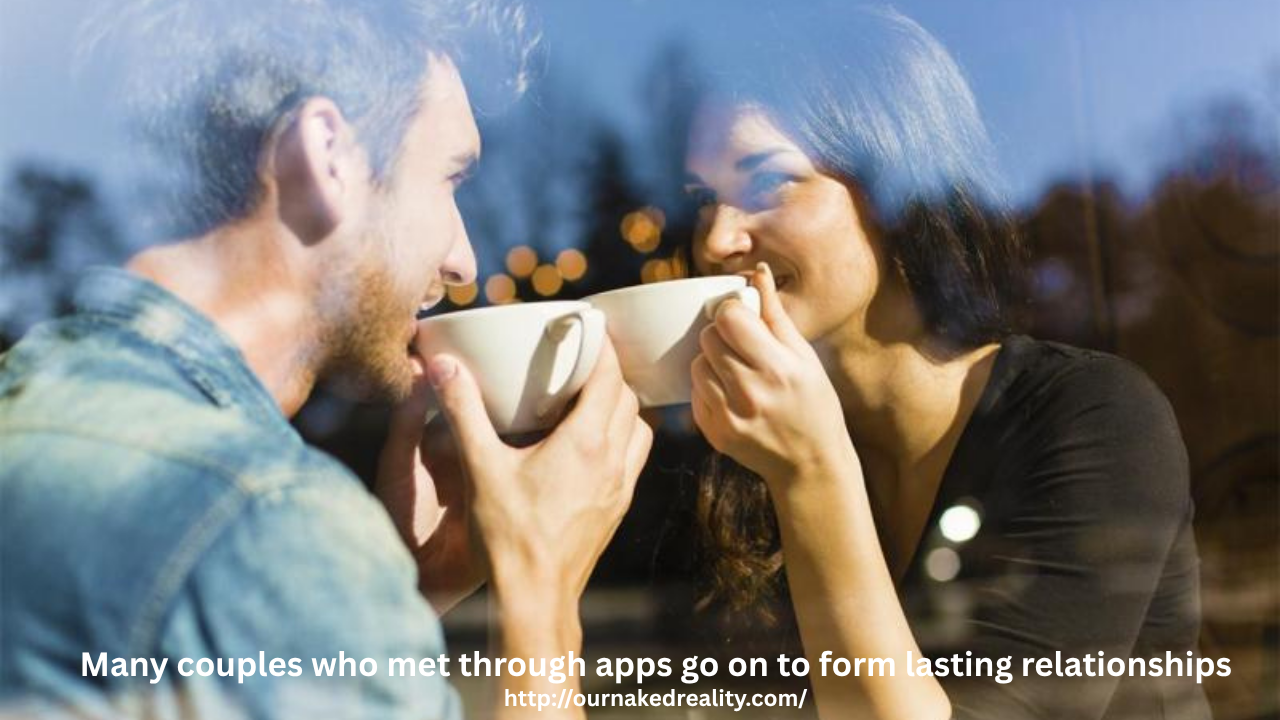
Still, many couples who met through apps go on to form lasting relationships, showing that love can bloom even in a fast-paced digital environment.

Conclusion

Love in the digital marketplace comes with new opportunities and new challenges. Dating apps have democratized romance, offering more ways to connect than ever before. However, they have also rewritten the rules of courtship, prioritizing immediacy, visual appeal, and convenience. As we navigate this evolving landscape, the key is to balance the efficiency of technology with the timeless elements of authentic connection—trust, honesty, and emotional depth.
Beyond the Hype: Unpacking the Myths of Passion in Music and Pop Culture

Passion has always been a dominant theme in music and pop culture. From steamy love ballads to fiery breakup anthems, pop songs, music videos, and celebrity romances often portray passion as intense, overwhelming, and even all-consuming. While these portrayals make for catchy hits and captivating headlines, they can also create myths about what passion really is—and what it isn’t.

Passion as Performance

In pop culture, passion is often dramatized for effect. Lyrics speak of love that hurts, obsesses, and burns uncontrollably. Songs like Beyoncé’s Crazy in Love, Adele’s Someone Like You, or The Weeknd’s Earned It capture the raw intensity of emotional and physical connection. These narratives appeal to our desire for deep, meaningful relationships, but they often blur the line between love and dysfunction.

The passion portrayed in music is usually about heightened emotion—dramatic gestures, longing, jealousy, or heartbreak. This performance of passion reinforces the idea that love must be chaotic and extreme to be real or exciting. But in real life, true connection often lies in stability, communication, and mutual respect—qualities that rarely get top billing in a pop anthem.

Toxic Tropes in Lyrics and Love Songs

A recurring theme in music is the glorification of toxic relationship dynamics. Lyrics may depict control, obsession, or emotional dependence as signs of passion. Songs that celebrate “not being able to live without someone” or portray jealousy and possessiveness as romantic can normalize unhealthy behavior. When repeated across decades and genres, these messages shape how listeners understand and pursue relationships.

This problem isn’t limited to any one style of music. Whether it’s a rock ballad, a country duet, or an R&B slow jam, the myth that passion must hurt persists. While heartbreak is a universal experience, the glamorization of emotional turmoil can reinforce unrealistic—and sometimes dangerous—expectations about love.

The Celebrity Love Effect

Beyond music, pop culture is saturated with celebrity romances that often mirror the passionate extremes portrayed in songs. Highly publicized relationships—complete with whirlwind courtships, dramatic breakups, and social media feuds—are consumed by audiences eager for real-life drama. But the constant rise and fall of these public love stories can further distort how passion is perceived.

When people look to celebrities as role models for relationships, they may believe that love should be intense, fast-moving, and filled with emotional highs and lows. This pressure can undermine the quieter, steadier forms of love that are equally valid, if less headline-worthy.

Redefining Passion

It’s time to reframe how passion is defined in music and pop culture. Passion doesn’t have to mean chaos or pain—it can also mean deep commitment, emotional safety, and shared purpose. More artists are now creating work that reflects this reality. Songs about healing, growing together, and mature love are slowly gaining traction and offering listeners a healthier vision of romantic passion.

Conclusion

While music and pop culture will always celebrate the intensity of love, it’s important to look beyond the hype. Passion is more than fireworks—it’s also about connection, understanding, and trust. By unpacking the myths and embracing more grounded portrayals of love, we can begin to build a culture that values real emotional depth over fleeting drama.