
Love on the Screen: How Dating Apps Are Redefining Connection and Intimacy

In today’s digital age, finding love often starts with a screen. Dating apps like Tinder, Bumble, and Hinge have transformed the way people meet, communicate, and build relationships. Swipes, matches, and instant messages create a world where connection is just a tap away. While this convenience can feel empowering, it also comes with new emotional challenges. For individuals navigating addiction recovery or managing mental health, understanding how these platforms impact connection, intimacy, and emotional health is critical to fostering healthy relationships.

The Digital Shift in Romance

Online dating has shifted the landscape of love. Traditional courtship, which often relied on in-person interactions, mutual friends, and slow emotional development, is now supplemented—or replaced—by algorithm-driven matches. Profiles, prompts, and curated images become the first impression, creating a fast-paced environment where decisions are made in seconds.

The Allure of Instant Connection

Dating apps offer immediate access to potential partners, which can feel exciting and validating. For someone rebuilding confidence after addiction or trauma, this instant access can create hope and empowerment. However, the emphasis on speed and convenience can sometimes prioritize surface-level attraction over genuine emotional connection.

Navigating Emotional Triggers

The rapid feedback loop of likes, matches, and messages can mirror patterns of addictive behavior. The rush of validation can be stimulating, while rejection or ghosting may trigger negative self-talk or emotional distress. Awareness of these triggers is essential for individuals in recovery to maintain emotional balance.

Redefining Intimacy in a Swipe Culture

Connection is no longer just about proximity or shared experiences. Digital communication has introduced new ways to form intimacy—but it also challenges traditional emotional boundaries.

Quick Chemistry vs. Lasting Connection

Early conversations and shared interests can create a sense of closeness. However, without time and in-person experiences, it can be difficult to gauge compatibility and emotional depth. Building intimacy requires patience, reflection, and mindful engagement.

Authenticity Matters

Profiles often present idealized versions of people, which can make it easy to project expectations onto matches. Prioritizing honesty and authenticity helps foster meaningful connections, reduces miscommunication, and supports emotional well-being.

Strategies for Healthy Online Dating

Engaging with dating apps can be positive when approached intentionally.

  • Set boundaries for usage. Limit daily screen time to prevent emotional fatigue and distraction from recovery goals.
  • Focus on quality over quantity. Engage deeply with a few potential matches rather than juggling many superficial conversations.
  • Prioritize offline experiences. Meet in safe, controlled environments to build trust and deepen connection.
  • Reflect on emotional readiness. Check in with your feelings and recovery progress before investing heavily in digital romance.

Conclusion

Dating apps have redefined connection and intimacy, offering new opportunities while introducing unique challenges. For individuals in recovery, understanding these dynamics is essential for maintaining emotional health and fostering genuine relationships. At Our Naked Reality, we support clients in building authentic connections through holistic, faith-based, and individualized care. By approaching digital romance with mindfulness and self-awareness, it is possible to enjoy the benefits of online dating while protecting emotional well-being. If you are ready to explore love with balance, clarity, and compassion, reach out to our team today for guidance and support on your journey toward meaningful connection.
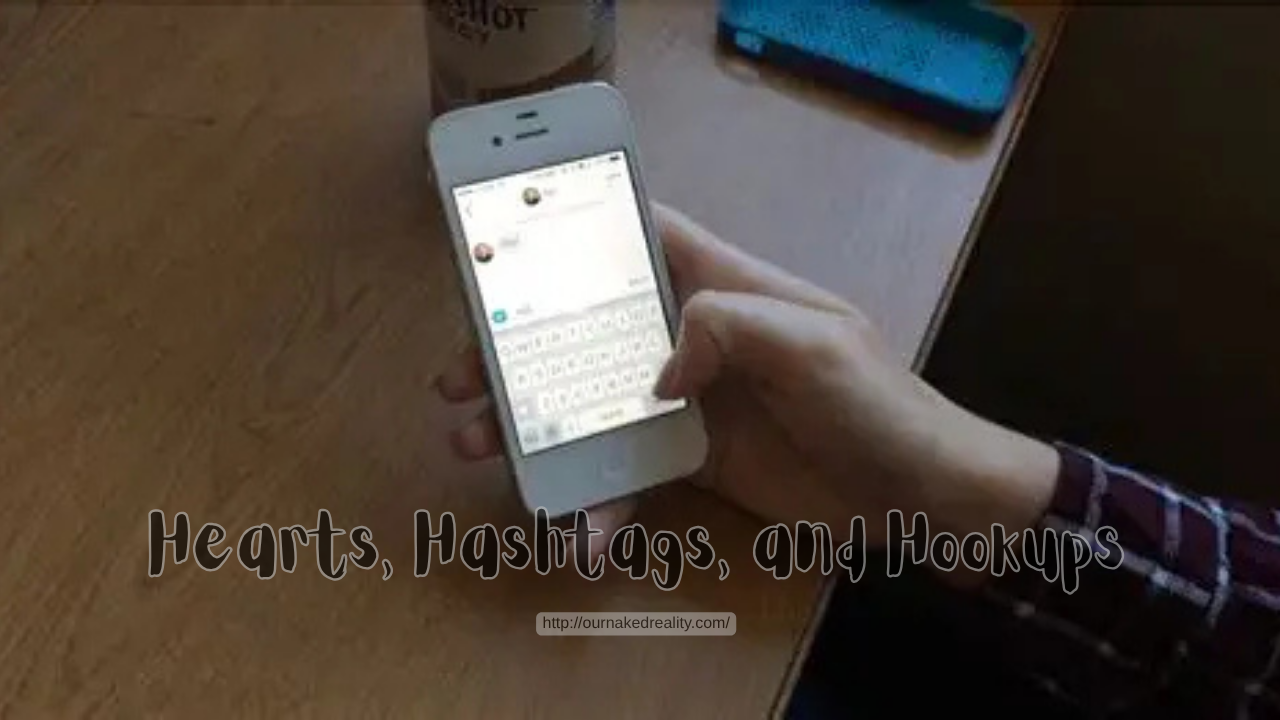
Hearts, Hashtags, and Hookups: Navigating Love in the Swipe Era

Love has always been a complex and deeply human experience, but in today’s digital age, it has taken on an entirely new form. With dating apps, hashtags, and social media shaping how people connect, romance has become faster, more accessible, and often more confusing. What was once a slow and intentional process has evolved into something driven by algorithms, images, and instant messages. For individuals in addiction recovery or those working through mental health challenges, understanding this new landscape of love is essential to maintaining emotional balance and building genuine, lasting connections.

The Digital Shift: How Technology Redefined Connection

Technology has changed how people meet, communicate, and fall in love. Swiping left or right has replaced introductions through friends or community. Social media adds another layer, where likes, follows, and direct messages blur the lines between casual interest and real connection.

H3: The Appeal of Instant Access

Dating apps provide a sense of possibility. They make meeting new people feel effortless, offering a constant stream of potential matches. For someone rebuilding confidence after addiction or trauma, this accessibility can feel exciting and empowering. Yet, it also encourages instant gratification—a pattern that can be emotionally draining if not managed with awareness.

The Illusion of Intimacy

In the swipe era, quick chats and flirtatious messages can mimic genuine closeness. However, emotional intimacy takes time to develop. When connections move too quickly, they often lack the depth needed for lasting relationships. This can leave individuals feeling unfulfilled, reinforcing feelings of loneliness or rejection.

The Psychological Impact of Swipe Culture

Behind the excitement of modern dating lies a subtle emotional cost. Constant exposure to digital validation and rejection can influence how individuals see themselves and others.

The Dopamine Effect

Every notification, match, or like triggers a small burst of dopamine, the brain’s pleasure chemical. For those in recovery, this can mirror the patterns of addictive behavior, creating a cycle of emotional highs and lows. Recognizing this connection can help individuals develop healthier boundaries around technology and dating.

Unrealistic Expectations

Online dating often promotes idealized versions of love and beauty. Profiles highlight perfection, while reality remains more complex. These unrealistic expectations can make it difficult to appreciate genuine, imperfect human connection—a vital part of recovery and emotional growth.

Building Healthy Relationships in the Digital Age

Navigating love in the swipe era requires mindfulness, patience, and emotional awareness.

  • Set boundaries for digital use. Schedule time for dating apps rather than checking them compulsively.
  • Prioritize authenticity. Be honest about who you are and what you’re looking for.
  • Balance online and offline connection. Real-life interactions build empathy and trust that screens cannot replace.
  • Reflect before reacting. Before engaging or investing emotionally, ask if the relationship aligns with your values and recovery goals.

Conclusion

The world of hashtags and hookups can be both thrilling and challenging. For individuals in recovery, it presents opportunities to rediscover connection while also testing emotional boundaries. The key is to approach digital dating with mindfulness, self-awareness, and compassion. Love in the swipe era does not have to be superficial—it can still be meaningful when rooted in honesty, patience, and self-respect.

At Our Naked Reality, we believe that healing and connection go hand in hand. Our holistic, faith-based approach helps individuals build emotional strength and clarity in every area of life, including relationships. If you are ready to heal, grow, and create authentic connections in a world that moves fast, reach out to us today. Together, we can help you rediscover what true love—and true healing—really mean.

Matchmaking 2.0: Why Swiping Has Replaced Traditional Courtship Rituals

In the past, romance often began with face-to-face introductions, mutual friends, or the gentle unfolding of connection through shared experiences. Today, however, courtship looks very different. Modern technology has turned dating into a digital experience where a single swipe can initiate or end a potential relationship. While this shift has made love more accessible, it has also redefined how people approach intimacy, commitment, and self-worth. For individuals navigating addiction recovery or mental health challenges, understanding the impact of this new form of matchmaking is essential to building healthier emotional and relational foundations.

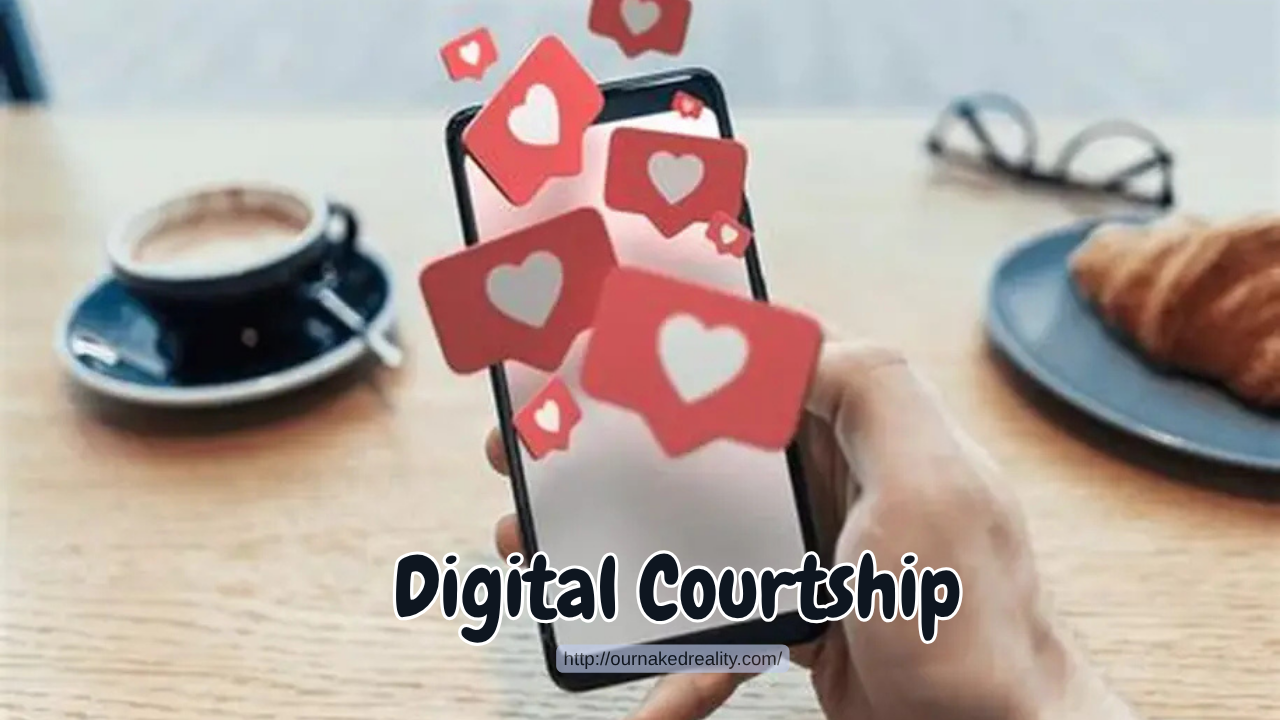
The Rise of Digital Courtship

The digital revolution has transformed nearly every aspect of human interaction, and romance is no exception. Dating apps like Tinder, Bumble, and Hinge have replaced many of the traditional pathways to connection, offering an endless stream of potential partners at one’s fingertips.

Accessibility and Instant Connection

Swiping offers the promise of convenience. It removes social barriers and provides opportunities to meet people outside of one’s immediate circle. For those who may feel isolated or are rebuilding their social lives after addiction, this accessibility can seem encouraging. However, the simplicity of swiping can also reduce meaningful connection to a quick decision, prioritizing appearance and instant gratification over emotional depth.

Technology and the Illusion of Choice

With thousands of potential matches available, dating apps can create the illusion of unlimited options. This abundance can lead to indecision, impatience, and the constant pursuit of something “better.” In recovery, this pattern may resemble addictive tendencies—seeking stimulation, chasing novelty, and struggling with satisfaction or stability. Recognizing this parallel can help individuals approach dating with greater mindfulness and intentionality.

The Emotional Cost of Swiping Culture

While dating apps have expanded opportunities for connection, they have also introduced new psychological and emotional challenges.

Shallow Interactions and Emotional Burnout

Quick conversations, brief exchanges, and abrupt endings have become the norm. Over time, this pattern can lead to emotional fatigue and detachment. For individuals in recovery, this can hinder emotional healing by reinforcing avoidance behaviors or discouraging vulnerability.

Validation and Self-Worth

Each match or message can trigger feelings of excitement or rejection. This cycle of approval and disappointment can deeply affect one’s sense of worth, particularly for those rebuilding confidence after addiction or trauma. True recovery requires grounding self-esteem in inner growth, not external validation.

Building Healthy Connections in the Digital Age

While the swiping culture is here to stay, there are ways to engage with it more mindfully and meaningfully.

  • Set clear intentions. Know what you’re looking for before using dating apps, whether it’s friendship, companionship, or a long-term relationship.
  • Limit usage. Schedule time for dating app activity instead of scrolling endlessly. This prevents emotional overload and supports recovery boundaries.
  • Focus on authenticity. Present yourself honestly. Genuine communication fosters trust and helps attract like-minded partners.
  • Prioritize offline experiences. Balance digital connections with real-life interactions that build empathy and emotional presence.

Conclusion

Swiping has undeniably reshaped modern romance, but it does not have to define it. The key lies in approaching digital matchmaking with mindfulness, self-awareness, and compassion. For those in addiction recovery or working through mental health challenges, dating should be an extension of healing—not a distraction from it. At Our Naked Reality, we help individuals rediscover self-worth, emotional clarity, and authentic connection through holistic, faith-based, and individualized care. If you are ready to explore relationships from a place of strength and healing, reach out to our team today. Together, we can help you cultivate love that lasts—both for yourself and others.