
Profiles, Prompts, and Potential: Rewriting Romance in the Age of Dating Apps

In today’s digital landscape, dating has shifted from chance encounters and introductions to algorithm-driven profiles and interactive prompts. Apps like Hinge, Bumble, and Tinder have transformed how people explore romantic connections, placing emphasis on carefully curated profiles, witty bios, and engaging questions. While these tools offer unprecedented access to potential partners, they also present unique challenges—particularly for individuals navigating addiction recovery or managing mental health concerns. Understanding how to approach digital romance mindfully can make the difference between a stressful experience and a meaningful connection.

The New Landscape of Digital Romance

Dating apps have created a world where first impressions are immediate, often determined by a photo or a brief profile description. This shift has fundamentally altered the way people form attachments and evaluate potential partners. While traditional courtship allowed for slower, more nuanced interactions, app-based dating encourages quick decisions and surface-level assessments.

For individuals in recovery, this environment can amplify emotional vulnerabilities. The instant validation of likes and matches can trigger compulsive behaviors, while repeated rejections may affect self-esteem and emotional resilience. Recognizing these dynamics is essential for maintaining balance and protecting mental health while engaging in digital dating.

Profiles as a Reflection of Self

A dating profile is more than a collection of photos and prompts. It is a representation of identity, values, and emotional readiness. Taking the time to craft a thoughtful, authentic profile encourages intentional connection and minimizes misunderstandings.

Authenticity Over Perfection

Many users feel pressure to present an idealized version of themselves, but authenticity is more attractive and sustainable in the long term. Highlighting real interests, goals, and personality traits fosters connections based on compatibility rather than appearance or superficial appeal.

Managing Emotional Triggers

For those in recovery, creating a profile can also serve as an opportunity to reflect on personal boundaries and emotional needs. Being mindful about what is shared and how interactions are managed online can prevent emotional overwhelm and maintain focus on personal growth and wellness.

Prompts and Communication: Tools for Meaningful Connection

Modern dating apps often include prompts, questions, and conversation starters designed to showcase personality and values. These tools can help users bypass small talk and foster deeper engagement.

For individuals in addiction recovery, these prompts provide a structured way to express identity and explore shared values. Questions about hobbies, life goals, or personal philosophies can lead to meaningful conversations that reinforce healthy relational patterns. Practicing patience, active listening, and clear communication online lays the foundation for healthier connections offline.

Balancing Potential With Self-Care

Exploring romance in the digital age requires balancing curiosity and excitement with emotional safety. Setting boundaries around response time, limiting app usage, and being selective about engagement helps maintain emotional stability. Holistic recovery programs often emphasize self-awareness, mindfulness, and community support, all of which are valuable when navigating digital dating.

Conclusion

Dating apps offer new possibilities for connection, but they also present unique challenges, especially for individuals in recovery or managing mental health concerns. By approaching profiles, prompts, and potential partners with intentionality and self-awareness, users can create authentic, meaningful connections that support emotional well-being. If navigating romance feels overwhelming, reaching out to addiction recovery professionals or mental health counselors can provide guidance, strategies, and encouragement. Prioritizing self-care and authentic connection is not just about finding love; it is about fostering healthier relationships and sustaining personal growth in every aspect of life.

Algorithmic Attraction: How Technology is Changing the Way We Fall in Love

In today’s world, technology has transformed nearly every aspect of our lives, including how we meet and form romantic connections. Dating apps, social media, and algorithm-driven platforms now play a central role in modern relationships. While these tools can make it easier to connect with potential partners, they also shape expectations, perceptions, and emotional responses in ways that are often overlooked. For individuals navigating addiction recovery or managing mental health challenges, understanding how technology influences relationships is an essential part of holistic well-being.

The Rise of Algorithmic Dating

Online dating and matchmaking platforms rely on algorithms to suggest potential partners based on shared interests, behaviors, and preferences. These systems aim to optimize compatibility, but they also introduce a level of predictability and convenience that can change the emotional dynamics of dating. Users may find themselves “shopping” for partners, scrolling endlessly through profiles, or experiencing decision fatigue.

For those in recovery, this environment can present unique challenges. Impulsive behaviors, emotional triggers, and the desire for instant gratification may be amplified in digital spaces. Recognizing these influences helps individuals maintain healthy boundaries and approach new relationships with mindfulness and self-awareness.

Impact on Emotional Health and Recovery

Technology-driven dating can create high expectations and emotional pressure. Constant notifications, likes, and messages may trigger anxiety, self-doubt, or compulsive behaviors. For people managing addiction, these stressors can be particularly challenging, as they may lead to patterns of emotional dependency or avoidance of deeper, more meaningful connections.

A holistic approach to emotional health encourages awareness of these patterns. Recovery programs that incorporate mental health support, counseling, and skills for managing relationships can help individuals navigate digital dating environments safely. Learning to recognize healthy attachment, communication, and emotional regulation is crucial for sustaining both sobriety and meaningful relationships.

Building Healthy Connections in a Digital Age

Developing authentic, supportive relationships requires intention, patience, and self-reflection. Even in algorithm-driven dating, individuals can foster connections that are grounded in trust and mutual respect. Practical strategies include setting clear boundaries, pacing communication, and prioritizing face-to-face interactions when appropriate.

Faith-based or holistic recovery programs often emphasize the value of self-love, community support, and mindfulness practices. These elements can guide individuals in building relationships that enhance emotional stability and long-term recovery, rather than becoming a source of stress or relapse.

Technology as a Tool, Not a Substitute

Technology is a powerful tool, but it cannot replace the deeper work of personal growth and emotional healing. Recovery-focused individuals benefit most when they approach online dating with intentionality, supported by counseling, peer groups, or mentorship. Developing healthy coping strategies for digital interactions can transform algorithmic attraction into an opportunity for growth and meaningful connection.

Conclusion

Algorithmic dating has redefined modern romance, presenting both opportunities and challenges for emotional health and recovery. By approaching technology with awareness, establishing healthy boundaries, and prioritizing authentic relationships, individuals can navigate the digital dating landscape safely. If you are in recovery or seeking mental health support, reaching out to professional services that offer holistic, individualized care can provide guidance, structure, and encouragement as you explore love and connection in a digital age. Taking this step is not only about finding a partner but about nurturing your emotional well-being and sustaining a life of balance and purpose.

From First Glance to First Date: The Swipe Culture of Modern Romance

In the age of smartphones and social media, romance has taken on a new digital form. What once began with a nervous hello or a chance encounter at a coffee shop now often starts with a swipe. Apps like Tinder, Bumble, and Hinge have turned dating into a fast-paced, image-driven experience, reshaping how people meet, flirt, and fall in love. Welcome to the swipe culture—a modern approach to courtship where attraction is instant, decisions are rapid, and love is only a tap away.

The Power of the First Glance

In swipe culture, everything begins with a single image. Users scroll through dozens—sometimes hundreds—of profiles, making split-second judgments based on photos and short bios. The first glance becomes the most important moment; it determines whether a person is worth knowing or worth skipping.

This visual-first approach has its pros and cons. On one hand, it allows people to quickly filter potential matches based on preference and attraction. On the other hand, it reduces individuals to surface-level traits, sometimes overshadowing deeper compatibility. In this environment, personality and values often take a back seat to aesthetics and presentation.

Profiles as Mini-Billboards

Dating app profiles are curated like digital resumes for romance. A few well-lit selfies, a witty caption, and some catchy one-liners are expected to spark interest—and hopefully, a conversation. People become their own marketing teams, crafting profiles that strike a delicate balance between authenticity and appeal.

However, this curated self can sometimes create unrealistic expectations. When a real-life meeting doesn’t match the online persona, disappointment can follow. As a result, trust and transparency have become vital elements in an environment where first impressions are everything.

Conversation in the Digital Age

Once a match is made, the real challenge begins: starting a conversation. Many connections die at this stage, as small talk quickly fizzles or one party loses interest. Without the pressure of in-person interaction, ghosting—disappearing without explanation—has become common, creating a culture of emotional detachment and low accountability.

Still, when two people do click, text-based exchanges can be surprisingly intimate. Emojis, GIFs, and shared memes serve as new tools for flirting. While this form of communication may seem shallow, it allows couples to build rapport and establish comfort before deciding to meet in person.

From Match to Meeting

Transitioning from virtual connection to a real-life date is the ultimate goal, but even that comes with its own set of unwritten rules. Who makes the first move? How long should you chat before meeting? In swipe culture, these questions vary widely based on individual comfort and app culture.

Interestingly, despite its fast pace, swipe-based dating often leads to slower relationship building. Many users prefer extended chatting before committing to a date, using online conversation as a screening process to ensure safety and compatibility.

Conclusion

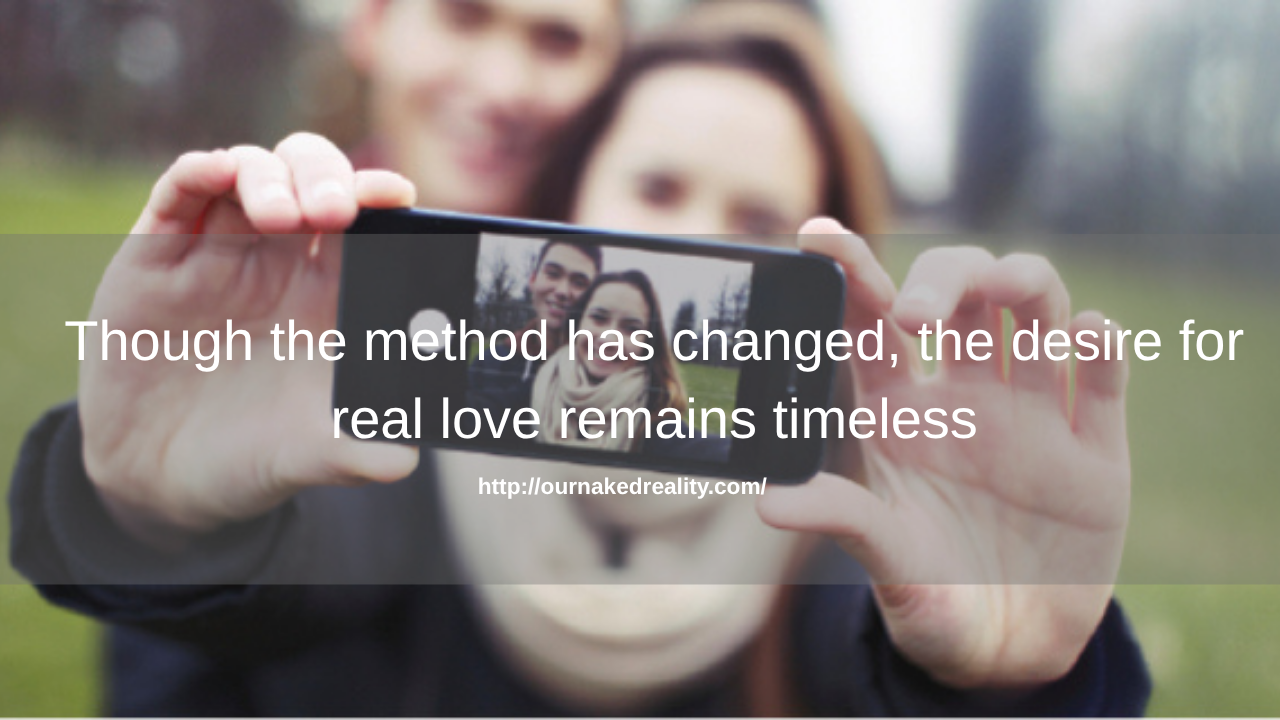
Swipe culture has revolutionized romance, turning attraction into an interactive and instantaneous experience. While it may seem shallow at first glance, it reflects the broader shifts in how people form connections in a digital world. Though the method has changed, the desire for real love remains timeless. The challenge—and the opportunity—is in learning to look past the swipe and truly see the person on the other side.