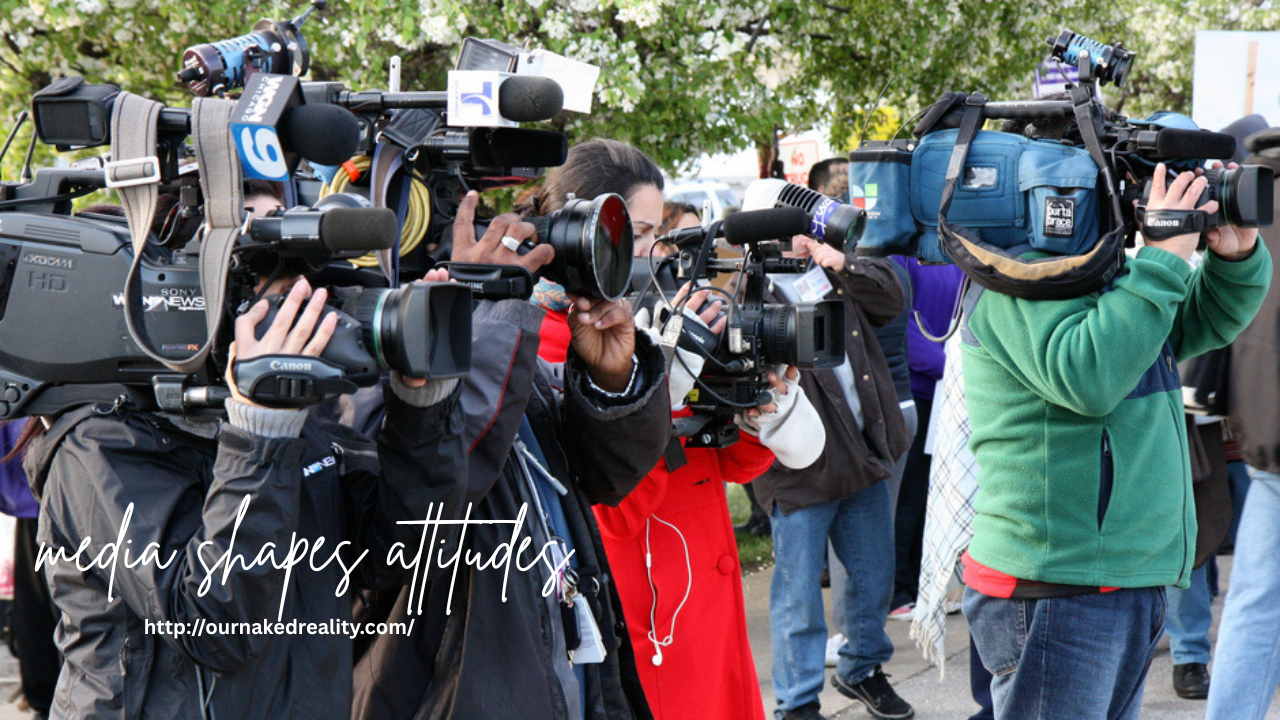
The Sex Factor: Media’s Role in Shaping Cultural Attitudes Toward Intimacy

From steamy movie scenes to provocative music videos and suggestive social media posts, modern media plays a powerful role in shaping how society views sex and intimacy. Over the past several decades, the portrayal of sex in media has evolved dramatically—from taboo and censored content to explicit, mainstream storytelling. These portrayals not only reflect changing cultural values but actively influence them, molding how people understand, experience, and engage with intimate relationships.

Sex as Spectacle

One of the most prominent ways media shapes attitudes toward sex is by turning it into a spectacle. Whether in Hollywood blockbusters, reality TV, or pop music, sex is often portrayed as glamorous, thrilling, and effortless. These representations tend to focus on physical attraction and passionate encounters, frequently sidelining emotional intimacy, communication, or the complexities of real-life sexual relationships.

This glamorization can set unrealistic expectations for viewers, particularly young audiences who may be learning about sex through media rather than from comprehensive education or healthy conversations. When sex is consistently shown as spontaneous, perfect, and devoid of awkwardness or consequences, it creates skewed ideas about what intimacy should look like.

Reinforcing Stereotypes and Norms

Media doesn’t just inform what sex looks like—it also communicates who is allowed to be sexual. For decades, popular culture has primarily depicted sex through a narrow lens: young, attractive, heterosexual, and able-bodied individuals. This limited representation marginalizes people of different body types, sexual orientations, ages, and abilities, reinforcing the idea that only certain kinds of people are “desirable.”

Women, in particular, are often objectified in media, presented primarily through the lens of male desire. Music videos, advertisements, and films frequently sexualize women’s bodies while minimizing their agency or complexity. Meanwhile, men are often portrayed as sexually aggressive or emotionally detached, reinforcing toxic notions of masculinity. These portrayals shape cultural norms and reinforce gender-based expectations that can be harmful and limiting.

Normalizing Conversation or Distorting Reality?

In some ways, media has helped destigmatize sex. Television shows like Sex Education, Euphoria, and Masters of Sex have opened up space for honest conversations about sexual identity, consent, dysfunction, and pleasure. These programs challenge taboos and promote a more inclusive, nuanced understanding of intimacy.

However, there’s a fine line between normalization and distortion. Even as media becomes more open, it can still promote distorted ideals—such as the notion that sexual performance equates to self-worth, or that constant sexual availability is a marker of modern empowerment. These mixed messages can contribute to anxiety, performance pressure, and confusion about what healthy intimacy looks like.

Conclusion

The media plays a complex and influential role in shaping cultural attitudes toward sex and intimacy. While it has the power to break taboos, foster inclusivity, and encourage open dialogue, it can also perpetuate harmful stereotypes and unrealistic expectations. As consumers of media, it’s important to approach sexual content critically—recognizing both its power to inform and its tendency to oversimplify or sensationalize. In doing so, we can begin to cultivate a healthier, more informed understanding of intimacy in the modern world.

Swipe Right for Love: How Dating Apps Have Redefined Courtship

In the age of smartphones and instant connectivity, dating has undergone a radical transformation. Traditional courtship, once marked by slow emotional buildup, face-to-face encounters, and social introductions, has given way to swipes, likes, and algorithm-based matches. Dating apps like Tinder, Bumble, Hinge, and Grindr have redefined not only how people meet, but how they think about love, attraction, and compatibility.

The Rise of Digital Romance

The launch of Tinder in 2012 revolutionized online dating by gamifying the process—swipe right if you’re interested, left if you’re not. This simple mechanic brought dating into the mainstream for younger generations. Apps became more than a means of finding a partner; they evolved into social platforms for flirting, chatting, and validating one’s attractiveness.

Unlike traditional dating methods that relied heavily on mutual connections or chance encounters, dating apps offer an endless pool of potential partners. With a few swipes, users can connect with someone miles away or just around the corner. This accessibility has expanded the possibilities for who we meet and how we fall in love.

Changing the Rules of Courtship

Dating apps have turned courtship into a fast-paced, user-driven experience. Instead of gradually getting to know someone in person, users often base their decisions on a few photos and a short bio. First impressions are instantaneous and primarily visual. This shift places a high emphasis on physical appearance, which can sometimes overshadow deeper compatibility.

Moreover, traditional markers of romantic progress—like asking someone out in person or building rapport over time—are now often replaced with casual texting, emojis, and ghosting. The immediacy of app-based communication can blur the lines between genuine interest and superficial interaction, leading many users to experience dating fatigue, confusion, or frustration.

Redefining Compatibility

While dating apps are often criticized for promoting shallow connections, they also offer tools to foster compatibility. Apps like Hinge and OkCupid use questionnaires, prompts, and algorithms to help users find matches based on shared interests, values, or goals. This has made it easier for people with niche preferences or lifestyles—such as veganism, religion, or political beliefs—to connect with like-minded partners.

Additionally, apps have helped increase inclusivity in the dating world. Platforms now cater to LGBTQ+ communities, people with disabilities, and various cultural or religious groups. This has opened doors for more people to find love in spaces that are affirming and tailored to their needs.

The Double-Edged Sword

Despite their convenience, dating apps also pose challenges. The abundance of choice can lead to the “paradox of choice”—where having too many options makes it harder to settle on one person. Some users develop a habit of constantly searching for someone “better,” which can undermine emotional investment and long-term commitment.

Moreover, anonymity and distance on apps can lead to dishonest behavior, catfishing, or harassment. Users must often navigate safety concerns and emotional risks, which were less prominent in traditional dating scenarios.

Conclusion

Dating apps have undeniably redefined courtship for the modern era. They offer unprecedented access to potential partners and flexibility in how we pursue romance. But they also challenge traditional notions of connection, intimacy, and authenticity. As society continues to adapt to digital dating, the key will be balancing convenience with emotional depth—ensuring that love, even in a digital world, remains meaningful and real.