Love on Demand: How Dating Apps Turn Romance into a 24/7 Experience

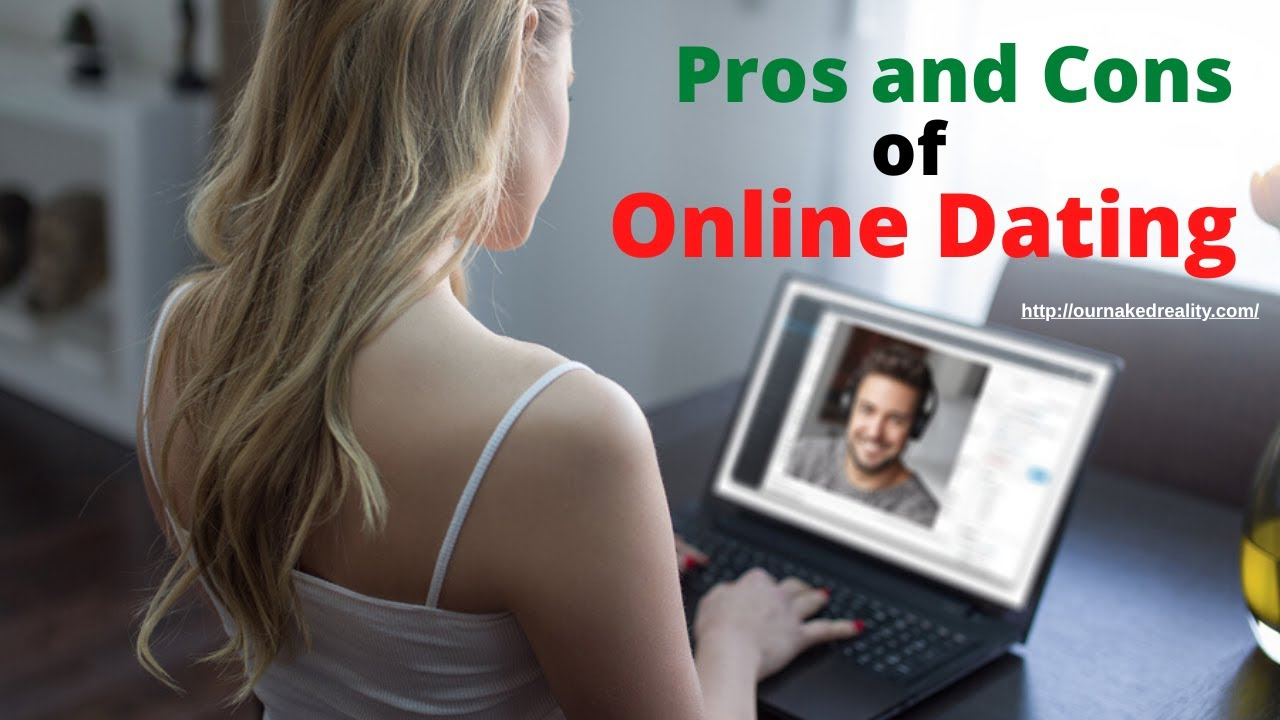
In the digital age, romance is no longer bound by geography, time, or circumstance. Dating apps have made it possible to connect with potential partners anytime, anywhere. Swipes, messages, and notifications create a sense of immediacy, turning love into a 24/7 experience. While this constant connectivity offers exciting opportunities, it also introduces unique emotional challenges. For individuals navigating addiction recovery or mental health concerns, understanding the implications of round-the-clock digital dating is essential for maintaining balance, boundaries, and well-being.

The Allure of Instant Connection

Dating apps provide immediate access to potential partners, which can feel empowering and validating. Users can browse profiles, send messages, and engage with multiple people at once, creating a dynamic and fast-paced romantic environment.

H3: Instant Gratification and Emotional Response

Every match or message provides a small burst of excitement and satisfaction. This instant feedback can be appealing, especially for individuals in recovery who are learning to cope with emotional highs and lows. However, it can also mirror addictive patterns, reinforcing behaviors that seek quick rewards rather than sustained, meaningful connection.

H3: Continuous Availability

The 24/7 nature of dating apps can make romance feel constant, but it also encourages a state of emotional readiness that may become exhausting. Constant notifications and the pressure to respond can interfere with personal time, self-care routines, and recovery practices. Recognizing this dynamic is crucial to maintaining healthy boundaries.

Challenges of Round-the-Clock Dating

While always being “online” can increase opportunities for connection, it can also create stress, anxiety, and unrealistic expectations.

H3: Decision Fatigue and Overwhelm

Scrolling through numerous profiles or engaging with multiple conversations at once can lead to cognitive overload. Decision fatigue may reduce the ability to make thoughtful choices, increase impulsivity, and heighten emotional vulnerability—factors that can be particularly challenging for someone in recovery.

H3: Emotional Dependency

Relying on constant digital interaction for validation or companionship can create emotional dependence. For individuals managing mental health or addiction recovery, this dependence can undermine emotional resilience and distract from personal growth. Learning to balance digital engagement with real-life connections is essential.

H3: Misaligned Expectations

The speed and convenience of dating apps can create unrealistic expectations about relationships. Quick matches may give the illusion of compatibility, leading to disappointment when in-person interactions reveal differences or deeper emotional needs.

Strategies for Healthy Digital Romance

Navigating 24/7 digital dating requires intentionality and self-awareness.

  • Set boundaries for app use, such as limiting daily screen time or turning off notifications during recovery activities.
  • Focus on quality over quantity by engaging deeply with fewer matches rather than spreading attention across many.
  • Prioritize offline interactions to build authentic and meaningful connections.
  • Practice self-reflection and mindfulness, assessing emotional readiness before pursuing new romantic engagement.

Conclusion

Digital dating offers unprecedented access to potential partners, but it also comes with challenges that affect emotional well-being, particularly for individuals in recovery or managing mental health concerns. By approaching online romance intentionally, setting boundaries, and prioritizing authentic connection, it is possible to enjoy the benefits of 24/7 dating without compromising personal growth or emotional stability. At Our Naked Reality, we provide compassionate, holistic support to help individuals navigate the complexities of modern relationships while maintaining recovery and mental wellness. If you are ready to explore love in a healthy, balanced way, reach out to our team today for guidance, encouragement, and personalized care.
Digital Dating Diaries: The Ups, Downs, and Realities of Finding Love Online

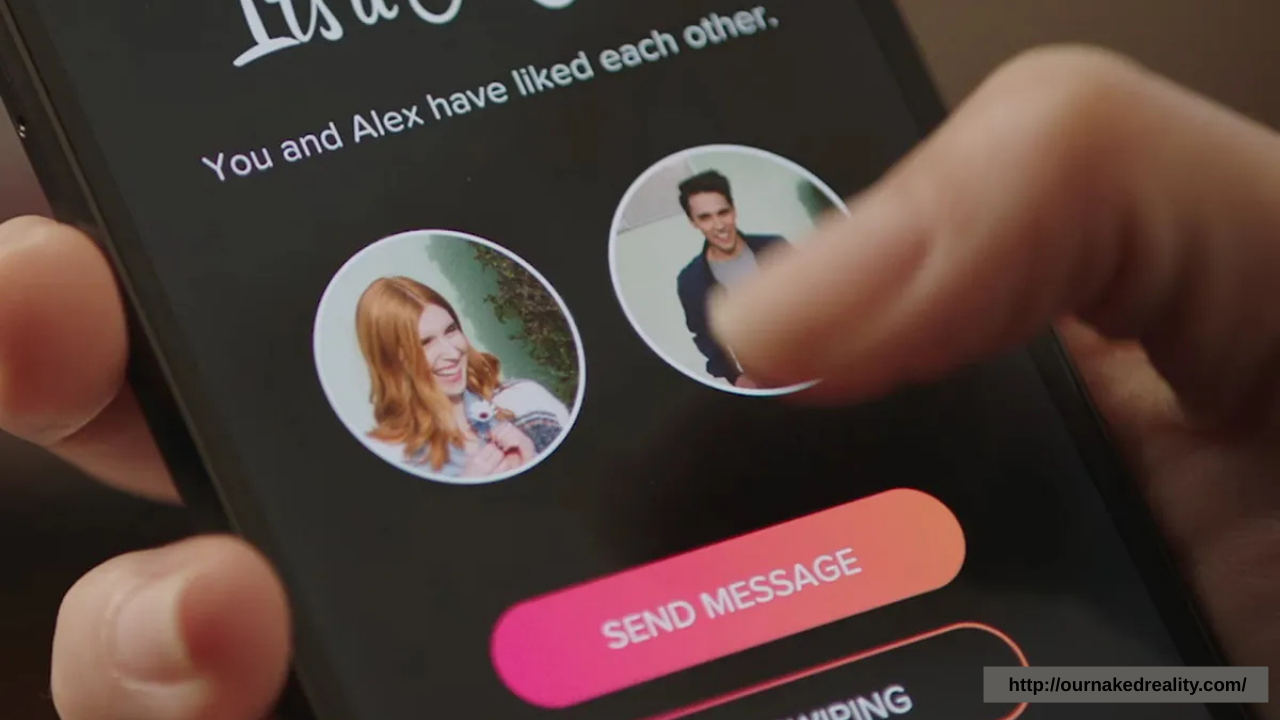
Finding love has never been more accessible than it is today. With the rise of dating apps and social platforms, people can connect across cities, cultures, and lifestyles with just a few taps. Online dating can feel exciting, offering possibilities that past generations never imagined. Yet beneath the convenience and quick matches lies a more complicated reality. For those navigating addiction recovery and mental health challenges, the world of digital romance can bring both opportunities for growth and risks that need mindful attention.

The Allure of Online Dating

Dating apps provide a sense of control and possibility. Profiles allow people to highlight their best qualities, and algorithms make it easy to find potential matches. For individuals who may feel isolated during recovery or are rebuilding their confidence, this accessibility can create hope and a sense of connection.

Expanding Horizons

Unlike traditional dating, online platforms connect people across wide social circles. This can lead to enriching relationships that might not have formed otherwise. For someone in recovery, these new opportunities can be empowering, offering a chance to build friendships and romantic connections in a safe and intentional way.

A Boost of Validation

Receiving likes, messages, or matches can provide a temporary boost of self-esteem. The sense of being noticed or desired can feel uplifting, especially for individuals working on self-worth. However, it is important to recognize that digital validation should not replace deeper healing and self-acceptance.

The Challenges Behind the Screen

While digital dating can be rewarding, it also carries unique psychological and emotional challenges.

The Trap of Instant Gratification

Apps are designed to keep users engaged, often encouraging quick swipes and fast decisions. This can lead to a cycle of seeking immediate rewards, which may feel familiar to those who have struggled with addictive behaviors. Recognizing this pattern is crucial to avoid unhealthy emotional reliance on apps.

Managing Rejection and Disappointment

Not every match leads to a meaningful connection. Ghosting, rejection, or inconsistent communication can stir up feelings of inadequacy. For individuals in recovery, these moments may trigger old wounds or negative thought patterns. Having a support system in place can help manage these experiences with resilience.

The Illusion of Intimacy

Quick conversations or digital chemistry can sometimes create a false sense of closeness. Without time and shared experiences, it can be easy to confuse digital attention with genuine connection. Slowing down the process helps ensure relationships develop on healthy and stable ground.

Building Healthy Digital Connections

With mindfulness, online dating can be a tool for growth rather than a source of stress.

  • Limit daily app use to prevent emotional burnout.
  • Be clear about personal values and relationship goals in profiles.
  • Seek balance by fostering offline connections and self-care practices.
  • Use dating as an extension of recovery, practicing honesty, patience, and emotional awareness.

Conclusion

Online dating reflects both the possibilities and pressures of our digital world. For individuals in addiction recovery or those working through mental health challenges, it is important to approach digital courtship with mindfulness and clear boundaries. By recognizing the ups and downs of online dating, people can engage with these platforms in ways that support healing rather than hinder it. At Our Naked Reality, we believe in empowering individuals to build authentic, healthy connections while staying grounded in recovery. If you are ready to strengthen your path toward healing and meaningful relationships, reach out to our team today for compassionate and personalized support.

Beyond the Swipe: The Hidden Psychology of App-Driven Courtship

In today’s digital world, dating has transformed from chance encounters to algorithm-driven connections. Apps like Tinder, Bumble, and Hinge make it easy to find potential partners with just a few swipes, but behind this convenience lies a complex psychological landscape. For individuals navigating addiction recovery or managing mental health challenges, understanding the emotional dynamics of app-driven courtship is crucial. Recognizing how these platforms influence attraction, attachment, and self-esteem can help create healthier, more intentional relationships.

The Mechanics of Modern Dating Apps

Dating apps operate on the principle of instant evaluation. Users judge potential matches based on photos, short bios, and prompts. This immediacy creates a sense of efficiency and excitement, but it also encourages snap judgments and superficial connections. The design of these platforms often mirrors behavioral patterns seen in addiction, where instant rewards, intermittent reinforcement, and social validation drive repeated engagement.

Instant Gratification and Its Effects

Just like addictive behaviors, swiping can trigger quick bursts of pleasure and validation. Every match or message creates a dopamine response, encouraging users to return for more. While this can feel rewarding, it may also lead to compulsive app usage, emotional dependency, or frustration when expectations are not met. For those in recovery, awareness of these triggers is essential to prevent patterns that could undermine emotional stability.

The Pressure to Perform

Profiles act as digital representations of identity, often highlighting idealized traits. Users may feel pressure to appear attractive, witty, and desirable at all times. This self-presentation can contribute to anxiety, self-doubt, and comparison, especially when paired with constant exposure to others’ curated images and lives. Learning to engage authentically while maintaining emotional boundaries is key to avoiding these pitfalls.

The Psychology of Connection

Beyond aesthetics, apps also influence attachment and emotional expectations. Quick matches and immediate responses can create illusions of intimacy, making it easy to confuse initial excitement with long-term compatibility. This can impact how individuals approach trust, commitment, and vulnerability in relationships.

Setting Realistic Expectations

Understanding that digital connections often begin with curated impressions can help users manage expectations. Not every match will lead to a meaningful relationship, and that is normal. Prioritizing communication, shared values, and mutual respect over instant chemistry is essential for cultivating sustainable connections.

Mindful Engagement

Mindfulness in app usage involves being intentional about time spent online, recognizing emotional triggers, and reflecting on personal goals for relationships. Holistic recovery programs emphasize these skills, helping individuals approach dating as an extension of self-care rather than a source of stress or validation-seeking.

Balancing Technology and Emotional Health

Technology can enhance social connections, but it cannot replace the foundational elements of healthy relationships. Incorporating in-person interactions, meaningful conversations, and emotional self-awareness ensures that digital dating supports rather than hinders personal growth. Faith-based and holistic approaches to recovery encourage users to prioritize authenticity, boundaries, and emotional readiness before engaging in new romantic connections.

Conclusion

App-driven courtship is more than just swipes and matches; it is a reflection of deeper psychological patterns that influence attachment, self-esteem, and emotional well-being. By understanding the hidden dynamics of these platforms, individuals in recovery can navigate digital dating with intentionality, balance, and confidence. At Our Naked Reality, we provide holistic and individualized support to help clients manage these challenges while fostering authentic relationships and emotional growth. If navigating modern dating feels overwhelming, reaching out to our team can provide guidance, structure, and encouragement on your journey toward healthier love and meaningful connections.

Fast Love: How Instant Matching is Reshaping Relationship Expectations

In a world where swiping right can lead to a new connection within seconds, modern dating has taken on a new rhythm. Apps and online platforms have reshaped the way people meet, interact, and form relationships. The allure of instant matching promises quick access to romance, yet it often comes with hidden costs. For those navigating addiction recovery or working on mental health healing, this fast-paced landscape can create emotional challenges that mirror struggles with impulsivity, self-esteem, and the search for lasting fulfillment.

The Rise of Instant Matching

Technology has transformed romance into something both immediate and transactional. Matches can be made in less time than it takes to order food, and conversations may start with little context or emotional groundwork. While this accessibility broadens the pool of potential partners, it also alters expectations. Relationships, once built slowly through shared experiences, now face the pressure of rapid decision-making and quick turnarounds.

For individuals in recovery, this shift can feel destabilizing. The rush of validation from likes and matches can echo addictive patterns, providing short-term satisfaction without deeper connection. Just as with substances, the pursuit of quick approval can leave someone feeling empty once the initial excitement fades.

The Psychological Impact of Fast Love

Instant matching shapes not only how people date, but also how they view themselves and others.

The Cycle of Instant Gratification

Dating apps encourage quick judgments based on appearance or brief profiles. This constant evaluation can lead to a cycle of instant gratification and disappointment, where self-worth is tied to external approval. For those in addiction recovery, this cycle may trigger feelings of rejection or inadequacy.

Unrealistic Expectations

When connections are formed instantly, expectations for chemistry, compatibility, and intimacy may become distorted. People may feel pressured to move quickly or to fit into roles that do not align with their true needs. This can lead to unhealthy relational patterns that mirror past struggles with impulsivity or avoidance.

Building Healthier Connections in the Digital Age

While instant matching can create challenges, it also offers opportunities to practice intentionality and self-awareness.

Slowing Down the Process

Instead of rushing through matches, taking time to read profiles and engage in thoughtful conversations can create a foundation for genuine connection. Slowing down reduces the risk of emotional burnout and supports healthier boundaries.

Setting Personal Boundaries

Defining how much time is spent on apps, what kind of interactions are acceptable, and how emotions are managed is essential. Boundaries create space for self-respect and reduce the chance of repeating harmful cycles.

Prioritizing Emotional Readiness

Before seeking connection, it is important to assess emotional readiness. Healing from addiction and mental health challenges requires energy and focus, and dating should complement—not compete with—that growth. Seeking support from counselors or recovery groups can provide clarity and guidance during this process.

Conclusion

The culture of fast love has redefined how people approach dating, but it does not have to dictate the quality of relationships. By slowing down, setting boundaries, and prioritizing emotional health, individuals can navigate modern dating without losing sight of their recovery journey. At Our Naked Reality, we believe that true healing comes from building authentic connections—with ourselves and with others. If you are ready to explore love and life with greater clarity and balance, we are here to walk alongside you with compassionate, personalized care.

Profiles, Prompts, and Potential: Rewriting Romance in the Age of Dating Apps

In today’s digital landscape, dating has shifted from chance encounters and introductions to algorithm-driven profiles and interactive prompts. Apps like Hinge, Bumble, and Tinder have transformed how people explore romantic connections, placing emphasis on carefully curated profiles, witty bios, and engaging questions. While these tools offer unprecedented access to potential partners, they also present unique challenges—particularly for individuals navigating addiction recovery or managing mental health concerns. Understanding how to approach digital romance mindfully can make the difference between a stressful experience and a meaningful connection.

The New Landscape of Digital Romance

Dating apps have created a world where first impressions are immediate, often determined by a photo or a brief profile description. This shift has fundamentally altered the way people form attachments and evaluate potential partners. While traditional courtship allowed for slower, more nuanced interactions, app-based dating encourages quick decisions and surface-level assessments.

For individuals in recovery, this environment can amplify emotional vulnerabilities. The instant validation of likes and matches can trigger compulsive behaviors, while repeated rejections may affect self-esteem and emotional resilience. Recognizing these dynamics is essential for maintaining balance and protecting mental health while engaging in digital dating.

Profiles as a Reflection of Self

A dating profile is more than a collection of photos and prompts. It is a representation of identity, values, and emotional readiness. Taking the time to craft a thoughtful, authentic profile encourages intentional connection and minimizes misunderstandings.

Authenticity Over Perfection

Many users feel pressure to present an idealized version of themselves, but authenticity is more attractive and sustainable in the long term. Highlighting real interests, goals, and personality traits fosters connections based on compatibility rather than appearance or superficial appeal.

Managing Emotional Triggers

For those in recovery, creating a profile can also serve as an opportunity to reflect on personal boundaries and emotional needs. Being mindful about what is shared and how interactions are managed online can prevent emotional overwhelm and maintain focus on personal growth and wellness.

Prompts and Communication: Tools for Meaningful Connection

Modern dating apps often include prompts, questions, and conversation starters designed to showcase personality and values. These tools can help users bypass small talk and foster deeper engagement.

For individuals in addiction recovery, these prompts provide a structured way to express identity and explore shared values. Questions about hobbies, life goals, or personal philosophies can lead to meaningful conversations that reinforce healthy relational patterns. Practicing patience, active listening, and clear communication online lays the foundation for healthier connections offline.

Balancing Potential With Self-Care

Exploring romance in the digital age requires balancing curiosity and excitement with emotional safety. Setting boundaries around response time, limiting app usage, and being selective about engagement helps maintain emotional stability. Holistic recovery programs often emphasize self-awareness, mindfulness, and community support, all of which are valuable when navigating digital dating.

Conclusion

Dating apps offer new possibilities for connection, but they also present unique challenges, especially for individuals in recovery or managing mental health concerns. By approaching profiles, prompts, and potential partners with intentionality and self-awareness, users can create authentic, meaningful connections that support emotional well-being. If navigating romance feels overwhelming, reaching out to addiction recovery professionals or mental health counselors can provide guidance, strategies, and encouragement. Prioritizing self-care and authentic connection is not just about finding love; it is about fostering healthier relationships and sustaining personal growth in every aspect of life.

Algorithmic Attraction: How Technology is Changing the Way We Fall in Love

In today’s world, technology has transformed nearly every aspect of our lives, including how we meet and form romantic connections. Dating apps, social media, and algorithm-driven platforms now play a central role in modern relationships. While these tools can make it easier to connect with potential partners, they also shape expectations, perceptions, and emotional responses in ways that are often overlooked. For individuals navigating addiction recovery or managing mental health challenges, understanding how technology influences relationships is an essential part of holistic well-being.

The Rise of Algorithmic Dating

Online dating and matchmaking platforms rely on algorithms to suggest potential partners based on shared interests, behaviors, and preferences. These systems aim to optimize compatibility, but they also introduce a level of predictability and convenience that can change the emotional dynamics of dating. Users may find themselves “shopping” for partners, scrolling endlessly through profiles, or experiencing decision fatigue.

For those in recovery, this environment can present unique challenges. Impulsive behaviors, emotional triggers, and the desire for instant gratification may be amplified in digital spaces. Recognizing these influences helps individuals maintain healthy boundaries and approach new relationships with mindfulness and self-awareness.

Impact on Emotional Health and Recovery

Technology-driven dating can create high expectations and emotional pressure. Constant notifications, likes, and messages may trigger anxiety, self-doubt, or compulsive behaviors. For people managing addiction, these stressors can be particularly challenging, as they may lead to patterns of emotional dependency or avoidance of deeper, more meaningful connections.

A holistic approach to emotional health encourages awareness of these patterns. Recovery programs that incorporate mental health support, counseling, and skills for managing relationships can help individuals navigate digital dating environments safely. Learning to recognize healthy attachment, communication, and emotional regulation is crucial for sustaining both sobriety and meaningful relationships.

Building Healthy Connections in a Digital Age

Developing authentic, supportive relationships requires intention, patience, and self-reflection. Even in algorithm-driven dating, individuals can foster connections that are grounded in trust and mutual respect. Practical strategies include setting clear boundaries, pacing communication, and prioritizing face-to-face interactions when appropriate.

Faith-based or holistic recovery programs often emphasize the value of self-love, community support, and mindfulness practices. These elements can guide individuals in building relationships that enhance emotional stability and long-term recovery, rather than becoming a source of stress or relapse.

Technology as a Tool, Not a Substitute

Technology is a powerful tool, but it cannot replace the deeper work of personal growth and emotional healing. Recovery-focused individuals benefit most when they approach online dating with intentionality, supported by counseling, peer groups, or mentorship. Developing healthy coping strategies for digital interactions can transform algorithmic attraction into an opportunity for growth and meaningful connection.

Conclusion

Algorithmic dating has redefined modern romance, presenting both opportunities and challenges for emotional health and recovery. By approaching technology with awareness, establishing healthy boundaries, and prioritizing authentic relationships, individuals can navigate the digital dating landscape safely. If you are in recovery or seeking mental health support, reaching out to professional services that offer holistic, individualized care can provide guidance, structure, and encouragement as you explore love and connection in a digital age. Taking this step is not only about finding a partner but about nurturing your emotional well-being and sustaining a life of balance and purpose.

From First Glance to First Date: The Swipe Culture of Modern Romance

In the age of smartphones and social media, romance has taken on a new digital form. What once began with a nervous hello or a chance encounter at a coffee shop now often starts with a swipe. Apps like Tinder, Bumble, and Hinge have turned dating into a fast-paced, image-driven experience, reshaping how people meet, flirt, and fall in love. Welcome to the swipe culture—a modern approach to courtship where attraction is instant, decisions are rapid, and love is only a tap away.

The Power of the First Glance

In swipe culture, everything begins with a single image. Users scroll through dozens—sometimes hundreds—of profiles, making split-second judgments based on photos and short bios. The first glance becomes the most important moment; it determines whether a person is worth knowing or worth skipping.

This visual-first approach has its pros and cons. On one hand, it allows people to quickly filter potential matches based on preference and attraction. On the other hand, it reduces individuals to surface-level traits, sometimes overshadowing deeper compatibility. In this environment, personality and values often take a back seat to aesthetics and presentation.

Profiles as Mini-Billboards

Dating app profiles are curated like digital resumes for romance. A few well-lit selfies, a witty caption, and some catchy one-liners are expected to spark interest—and hopefully, a conversation. People become their own marketing teams, crafting profiles that strike a delicate balance between authenticity and appeal.

However, this curated self can sometimes create unrealistic expectations. When a real-life meeting doesn’t match the online persona, disappointment can follow. As a result, trust and transparency have become vital elements in an environment where first impressions are everything.

Conversation in the Digital Age

Once a match is made, the real challenge begins: starting a conversation. Many connections die at this stage, as small talk quickly fizzles or one party loses interest. Without the pressure of in-person interaction, ghosting—disappearing without explanation—has become common, creating a culture of emotional detachment and low accountability.

Still, when two people do click, text-based exchanges can be surprisingly intimate. Emojis, GIFs, and shared memes serve as new tools for flirting. While this form of communication may seem shallow, it allows couples to build rapport and establish comfort before deciding to meet in person.

From Match to Meeting

Transitioning from virtual connection to a real-life date is the ultimate goal, but even that comes with its own set of unwritten rules. Who makes the first move? How long should you chat before meeting? In swipe culture, these questions vary widely based on individual comfort and app culture.

Interestingly, despite its fast pace, swipe-based dating often leads to slower relationship building. Many users prefer extended chatting before committing to a date, using online conversation as a screening process to ensure safety and compatibility.

Conclusion

Swipe culture has revolutionized romance, turning attraction into an interactive and instantaneous experience. While it may seem shallow at first glance, it reflects the broader shifts in how people form connections in a digital world. Though the method has changed, the desire for real love remains timeless. The challenge—and the opportunity—is in learning to look past the swipe and truly see the person on the other side.

Love in the Digital Marketplace: The New Rules of App-Based Dating

Dating has never been easier—or more complicated—than it is today. With the rise of apps like Tinder, Bumble, Hinge, and Grindr, romance has officially entered the digital marketplace. A single swipe can lead to a date, a relationship, or a fleeting connection. But as dating moves online, the rules of courtship are changing, forcing people to rethink how they approach love, intimacy, and commitment in the digital age.

The Swipe Culture

At the heart of app-based dating is the “swipe” mechanism—quick, visual judgments based on profile pictures and short bios. This method has made meeting new people faster than ever, but it has also shifted how people think about compatibility. Instead of focusing on shared values or long-term potential from the outset, users often prioritize physical attraction, witty captions, or clever prompts.

This speed of decision-making has gamified dating, turning it into a marketplace where people are selected or rejected within seconds. While this can be thrilling, it can also lead to burnout, as users find themselves endlessly scrolling and swiping, sometimes without meaningful connections.

Profiles as Personal Branding

In the digital dating world, profiles are like personal advertisements. Users carefully curate their photos, highlight their best traits, and craft witty bios to stand out from the crowd. This self-presentation can feel empowering for some, but stressful for others, as it places heavy emphasis on marketability.

The pressure to appear interesting, attractive, and desirable can lead to embellishment or outright misrepresentation. Filters, outdated photos, or exaggerated achievements are common, creating a gap between online personas and real-life identities. This disconnect can lead to frustration or disappointment during in-person meetings.

Communication in the App Era

App-based dating has also changed how people communicate during the early stages of romance. Texting, memes, and emojis replace face-to-face interactions, making it easier to break the ice but harder to read emotions or intentions. Ghosting—where one person suddenly stops responding without explanation—has become a common and painful part of the digital dating experience.

Some apps have tried to create healthier dynamics. Bumble, for example, requires women to initiate conversations, aiming to reduce harassment and encourage respectful dialogue. Apps like Hinge focus on deeper connections by prompting users to share more about their personalities and values.

Casual Encounters vs. Serious Relationships

Dating apps have blurred the lines between casual flings and serious relationships. Some users seek hookups, while others are looking for long-term commitment. This ambiguity can lead to mismatched expectations, making communication about intentions more important than ever.

Still, many couples who met through apps go on to form lasting relationships, showing that love can bloom even in a fast-paced digital environment.

Conclusion

Love in the digital marketplace comes with new opportunities and new challenges. Dating apps have democratized romance, offering more ways to connect than ever before. However, they have also rewritten the rules of courtship, prioritizing immediacy, visual appeal, and convenience. As we navigate this evolving landscape, the key is to balance the efficiency of technology with the timeless elements of authentic connection—trust, honesty, and emotional depth.

Beyond the Hype: Unpacking the Myths of Passion in Music and Pop Culture

Passion has always been a dominant theme in music and pop culture. From steamy love ballads to fiery breakup anthems, pop songs, music videos, and celebrity romances often portray passion as intense, overwhelming, and even all-consuming. While these portrayals make for catchy hits and captivating headlines, they can also create myths about what passion really is—and what it isn’t.

Passion as Performance

In pop culture, passion is often dramatized for effect. Lyrics speak of love that hurts, obsesses, and burns uncontrollably. Songs like Beyoncé’s Crazy in Love, Adele’s Someone Like You, or The Weeknd’s Earned It capture the raw intensity of emotional and physical connection. These narratives appeal to our desire for deep, meaningful relationships, but they often blur the line between love and dysfunction.

The passion portrayed in music is usually about heightened emotion—dramatic gestures, longing, jealousy, or heartbreak. This performance of passion reinforces the idea that love must be chaotic and extreme to be real or exciting. But in real life, true connection often lies in stability, communication, and mutual respect—qualities that rarely get top billing in a pop anthem.

Toxic Tropes in Lyrics and Love Songs

A recurring theme in music is the glorification of toxic relationship dynamics. Lyrics may depict control, obsession, or emotional dependence as signs of passion. Songs that celebrate “not being able to live without someone” or portray jealousy and possessiveness as romantic can normalize unhealthy behavior. When repeated across decades and genres, these messages shape how listeners understand and pursue relationships.

This problem isn’t limited to any one style of music. Whether it’s a rock ballad, a country duet, or an R&B slow jam, the myth that passion must hurt persists. While heartbreak is a universal experience, the glamorization of emotional turmoil can reinforce unrealistic—and sometimes dangerous—expectations about love.

The Celebrity Love Effect

Beyond music, pop culture is saturated with celebrity romances that often mirror the passionate extremes portrayed in songs. Highly publicized relationships—complete with whirlwind courtships, dramatic breakups, and social media feuds—are consumed by audiences eager for real-life drama. But the constant rise and fall of these public love stories can further distort how passion is perceived.

When people look to celebrities as role models for relationships, they may believe that love should be intense, fast-moving, and filled with emotional highs and lows. This pressure can undermine the quieter, steadier forms of love that are equally valid, if less headline-worthy.

Redefining Passion

It’s time to reframe how passion is defined in music and pop culture. Passion doesn’t have to mean chaos or pain—it can also mean deep commitment, emotional safety, and shared purpose. More artists are now creating work that reflects this reality. Songs about healing, growing together, and mature love are slowly gaining traction and offering listeners a healthier vision of romantic passion.

Conclusion

While music and pop culture will always celebrate the intensity of love, it’s important to look beyond the hype. Passion is more than fireworks—it’s also about connection, understanding, and trust. By unpacking the myths and embracing more grounded portrayals of love, we can begin to build a culture that values real emotional depth over fleeting drama.

Love in Pixels: Exploring Romance and Sexuality in Video Games

Once considered mere entertainment for teens, video games have grown into one of the most influential storytelling mediums of the 21st century. While early games focused primarily on action, competition, or puzzles, modern titles increasingly explore complex human experiences—including romance and sexuality. From subtle love stories to explicit explorations of identity and desire, video games have become a rich space for navigating intimate relationships in the digital age.

A New Medium for Love Stories

Romance in video games has evolved significantly over the past two decades. Where early games like Super Mario Bros. offered only the most basic “rescue-the-princess” narratives, modern titles such as Mass Effect, Dragon Age, and The Witcher integrate romantic subplots as core elements of gameplay. Players can choose whom to pursue, what to say, and how to express affection—making the experience feel deeply personal.

What sets games apart from other media is interactivity. Players aren’t just watching a love story unfold; they’re shaping it through their decisions. This agency makes in-game romance more immersive and emotionally engaging, especially when character development and player choices lead to meaningful consequences in the storyline.

Representation and Identity

One of the most powerful aspects of romance in video games is the opportunity for representation. In many modern titles, players can choose their character’s gender, sexual orientation, and romantic interests. This level of customization allows gamers from diverse backgrounds to see themselves reflected in the narrative—something still lacking in much of mainstream film or television.

Games like Life is Strange, Dream Daddy, and Boyfriend Dungeon explicitly include LGBTQ+ relationships, exploring themes of identity, consent, and emotional vulnerability. These portrayals not only offer visibility but help normalize a broader range of romantic and sexual experiences for all players, fostering empathy and understanding.

Fantasy vs. Reality

While video games offer a unique canvas for exploring love and sexuality, they also risk reinforcing certain fantasies or stereotypes. Some games still objectify characters—particularly women—by reducing them to sexual conquests or visual rewards. In such cases, romance becomes a transactional system where affection is “earned” through gifts or flattery rather than emotional depth.

This gamification of romance can distort real-world perceptions of relationships, especially for younger or less experienced players. It’s important to differentiate between the freedom and exploration offered by virtual romances and the complexities of intimacy in the real world.

The Emotional Impact

Despite these challenges, many players report feeling real emotional attachment to in-game characters and relationships. Whether it’s the heartbreak of losing a digital partner in Fire Emblem or the joy of a long-awaited kiss in Final Fantasy, games are capable of evoking powerful emotional responses. This suggests that love in pixels—while virtual—can still feel authentic and impactful.

Conclusion

As video games continue to mature as a storytelling medium, their portrayals of romance and sexuality are becoming more nuanced, inclusive, and emotionally resonant. Whether offering escapism, representation, or reflection, games have proven that love can thrive even in virtual worlds. In the realm of pixels and possibilities, digital romance isn’t just a side quest—it’s a meaningful part of the human experience.

Would you like a list of specific games that feature progressive or innovative romantic storylines?