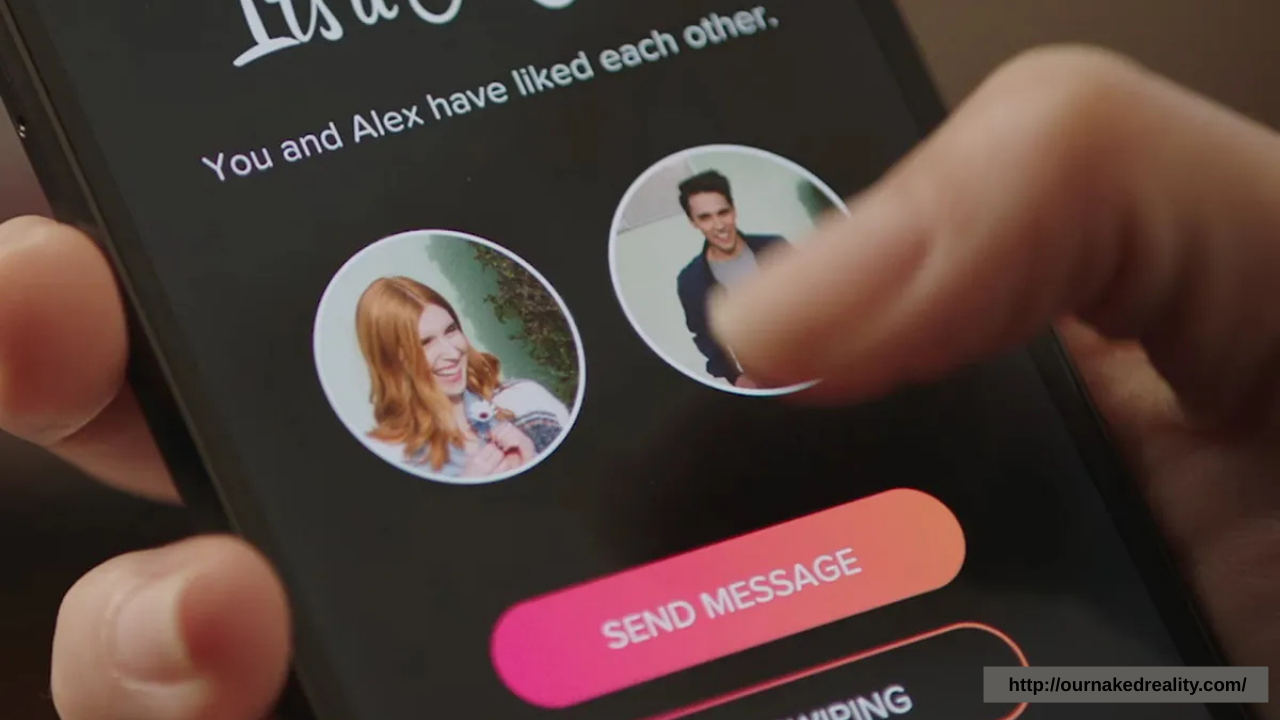
In today’s digital world, dating has transformed from chance encounters to algorithm-driven connections. Apps like Tinder, Bumble, and Hinge make it easy to find potential partners with just a few swipes, but behind this convenience lies a complex psychological landscape. For individuals navigating addiction recovery or managing mental health challenges, understanding the emotional dynamics of app-driven courtship is crucial. Recognizing how these platforms influence attraction, attachment, and self-esteem can help create healthier, more intentional relationships.
The Mechanics of Modern Dating Apps
Dating apps operate on the principle of instant evaluation. Users judge potential matches based on photos, short bios, and prompts. This immediacy creates a sense of efficiency and excitement, but it also encourages snap judgments and superficial connections. The design of these platforms often mirrors behavioral patterns seen in addiction, where instant rewards, intermittent reinforcement, and social validation drive repeated engagement.
Instant Gratification and Its Effects
Just like addictive behaviors, swiping can trigger quick bursts of pleasure and validation. Every match or message creates a dopamine response, encouraging users to return for more. While this can feel rewarding, it may also lead to compulsive app usage, emotional dependency, or frustration when expectations are not met. For those in recovery, awareness of these triggers is essential to prevent patterns that could undermine emotional stability.
The Pressure to Perform
Profiles act as digital representations of identity, often highlighting idealized traits. Users may feel pressure to appear attractive, witty, and desirable at all times. This self-presentation can contribute to anxiety, self-doubt, and comparison, especially when paired with constant exposure to others’ curated images and lives. Learning to engage authentically while maintaining emotional boundaries is key to avoiding these pitfalls.
The Psychology of Connection
Beyond aesthetics, apps also influence attachment and emotional expectations. Quick matches and immediate responses can create illusions of intimacy, making it easy to confuse initial excitement with long-term compatibility. This can impact how individuals approach trust, commitment, and vulnerability in relationships.
Setting Realistic Expectations
Understanding that digital connections often begin with curated impressions can help users manage expectations. Not every match will lead to a meaningful relationship, and that is normal. Prioritizing communication, shared values, and mutual respect over instant chemistry is essential for cultivating sustainable connections.
Mindful Engagement
Mindfulness in app usage involves being intentional about time spent online, recognizing emotional triggers, and reflecting on personal goals for relationships. Holistic recovery programs emphasize these skills, helping individuals approach dating as an extension of self-care rather than a source of stress or validation-seeking.
Balancing Technology and Emotional Health
Technology can enhance social connections, but it cannot replace the foundational elements of healthy relationships. Incorporating in-person interactions, meaningful conversations, and emotional self-awareness ensures that digital dating supports rather than hinders personal growth. Faith-based and holistic approaches to recovery encourage users to prioritize authenticity, boundaries, and emotional readiness before engaging in new romantic connections.
Conclusion
App-driven courtship is more than just swipes and matches; it is a reflection of deeper psychological patterns that influence attachment, self-esteem, and emotional well-being. By understanding the hidden dynamics of these platforms, individuals in recovery can navigate digital dating with intentionality, balance, and confidence. At Our Naked Reality, we provide holistic and individualized support to help clients manage these challenges while fostering authentic relationships and emotional growth. If navigating modern dating feels overwhelming, reaching out to our team can provide guidance, structure, and encouragement on your journey toward healthier love and meaningful connections.